

Contents
Samsung Takes the Lead in Mobile Processor Battle
The competition in the mobile processor market is fiercer than ever, with tech giants Samsung and Qualcomm constantly vying for supremacy. Recent comparisons between Samsung’s anticipated Exynos 2700 and Qualcomm’s Snapdragon 8 Elite Gen 6 have sparked considerable interest, with initial reports suggesting a notable victory for Samsung’s chip.
Exynos 2700: Samsung’s Next-Gen Powerhouse
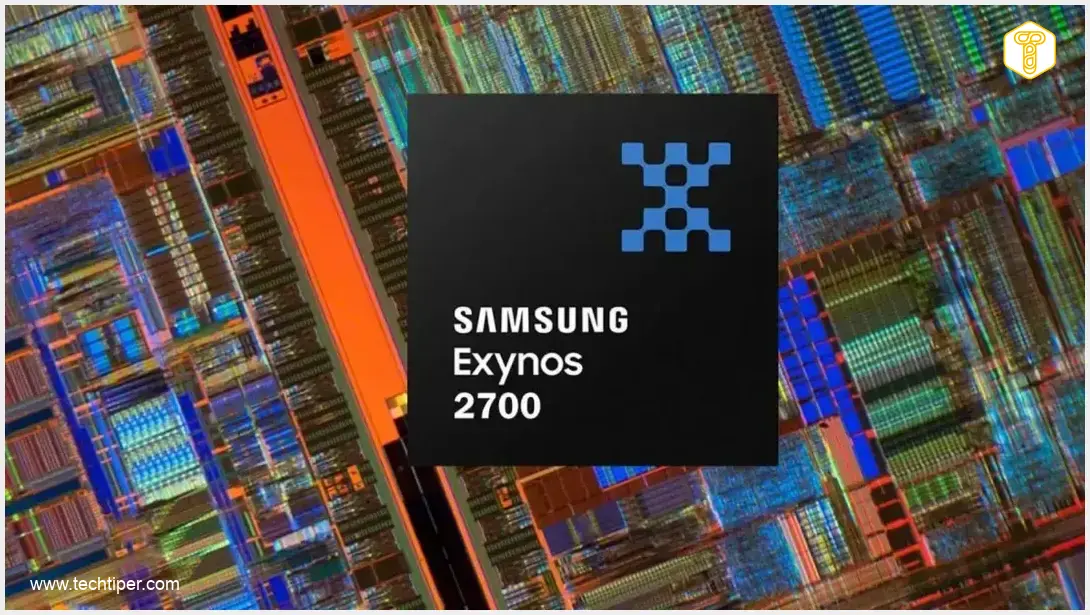
Samsung officially announced its Exynos 2700 processor in June, and it has since been pitted against one of its main rivals, the Qualcomm Snapdragon 8 Elite Gen 6. Leaked information indicates that the Korean processor emerged victorious in these head-to-head tests, with a substantial performance advantage. The Exynos 2700 is expected to power Samsung’s flagship Galaxy S27 series next year, setting high expectations for its capabilities.
A recent test conducted on a Xiaomi 18 Pro Max device showcased the Exynos 2700’s impressive performance. In multi-core CPU benchmarks, the Exynos 2700 scored approximately 13,000 points, while the Snapdragon 8 Elite Gen 6 achieved around 11,000 points. This translates to a remarkable 20% performance lead for Samsung’s chip over its competitor. When compared against a more affordable variant, the Snapdragon Elite Gen 6, the difference was even more pronounced, with the Exynos 2700 exhibiting a 44% performance advantage. Furthermore, Samsung’s processor also performed exceptionally well in GPU (graphics processing unit) tests.
Samsung plans to manufacture the Exynos 2700 using advanced 2-nanometer (nm) technology within its Foundry division. This cutting-edge fabrication process is crucial for enhancing efficiency, as smaller nanometer processes generally lead to reduced heat emission and improved performance, allowing for more transistors to be packed into a smaller area. This strategic move could significantly bolster Samsung’s position in the high-end mobile chip sector, especially as global demand for advanced semiconductors continues to grow. For more insights into the challenges and opportunities in semiconductor manufacturing, you can read about Samsung’s semiconductor opportunities amid TSMC backlog.
Snapdragon’s Continued Strength
Despite the recent comparison results, Qualcomm’s Snapdragon processors remain a force to be reckoned with. The official launch of the Snapdragon 8 Elite Extreme Gen 6 took place at the end of September. While the specific comparison with the Exynos 2700 showed a deficit, Qualcomm has no reason to be concerned about its overall performance. Benchmark results from a OnePlus 16 smartphone, powered by the Snapdragon 8 Elite Extreme Gen 6, demonstrated its immense power, achieving an impressive 5,384,433 points in the AnTuTu V12 test. This device made its official debut on October 12, though it is currently available exclusively in the Chinese market.
The ongoing competition between these two chip giants benefits consumers by driving innovation and pushing the boundaries of smartphone performance. As Samsung prepares for the future, understanding market dynamics and costs associated with key components like RAM is vital for their flagship devices. For additional context on Samsung’s market challenges, explore Samsung Galaxy S26 market struggles and profitability crisis.
Understanding Processor Benchmarks
For those new to the world of mobile processors, understanding benchmarks is key to interpreting performance comparisons. Here’s a quick guide:
- Multi-core CPU: Refers to the central processing unit’s ability to handle multiple tasks simultaneously using several processing cores. Higher scores generally mean better multitasking and faster app performance.
- GPU (Graphics Processing Unit): Dedicated to rendering images, videos, and animations. A strong GPU is essential for smooth gaming, video editing, and graphic-intensive applications.
- AnTuTu Benchmark: A popular benchmarking tool that evaluates the overall performance of a smartphone or tablet, covering CPU, GPU, memory (RAM), and user experience (UX). Higher scores indicate better overall performance.
- Nanometer (nm) Technology: Refers to the size of the transistors on a chip. A smaller nanometer number (e.g., 2nm vs. 5nm) means more transistors can be packed into the same space, leading to improved power efficiency, reduced heat, and often, higher performance.
The Road Ahead: What This Means for Consumers
The fierce rivalry between Samsung’s Exynos and Qualcomm’s Snapdragon processors ultimately benefits smartphone users. It drives both companies to innovate faster, develop more powerful and efficient chips, and integrate advanced features into upcoming devices. This competition translates to:
- Faster Performance: Seamless multitasking, quicker app loading, and smoother overall user experience.
- Improved Gaming: High-fidelity graphics and responsive gameplay for demanding mobile titles.
- Enhanced Efficiency: Longer battery life due to more power-efficient chip designs.
- Advanced Features: Better AI capabilities, improved camera processing, and support for next-generation connectivity standards.
Frequently Asked Questions (FAQ)
The 2-nanometer manufacturing process is a cutting-edge fabrication technology that allows Samsung to pack more transistors into a smaller chip area. This leads to several benefits, including significantly improved power efficiency, reduced heat generation, and potentially higher performance. It’s a critical step towards more powerful yet energy-conscious mobile devices.

While benchmark scores provide a quantitative measure of performance, their real-world impact means smoother daily usage. Higher multi-core CPU scores indicate faster app launches and more efficient multitasking. Strong GPU performance translates to better gaming experiences and quicker photo/video editing. Ultimately, a higher-performing chip provides a more fluid, responsive, and capable smartphone experience, especially for demanding applications and complex tasks.
Historically, Samsung has utilized both Exynos and Snapdragon processors in its flagship Galaxy S series, often varying by region. While the Exynos 2700 is slated for the Galaxy S27 series, it’s highly probable that some regions will receive devices powered by the latest Snapdragon chip, continuing the dual-chip strategy. The specific availability of devices featuring either chip will depend on Samsung’s regional market strategies and supply chain decisions.
The intense rivalry between Samsung, Qualcomm, and other chipmakers is a significant driver of innovation in the smartphone industry. This competition pushes companies to invest heavily in research and development, leading to advancements in CPU and GPU performance, artificial intelligence capabilities, power efficiency, and connectivity. Consumers ultimately benefit from more sophisticated, powerful, and feature-rich smartphones. This continuous push for improvement also fosters the development of new applications and use cases that demand cutting-edge processing power, shaping the future of mobile technology.
Source: ChosunBiz
Opening photo: Samsung Members Community / Press Materials
About Post Author
