Considering purchasing a digital account online? Learn what to check before buying, including account age, verification, security features, profile information, seller policies, pricing, delivery, and account-management requirements.


Daily Tech Tips

Considering purchasing a digital account online? Learn what to check before buying, including account age, verification, security features, profile information, seller policies, pricing, delivery, and account-management requirements.
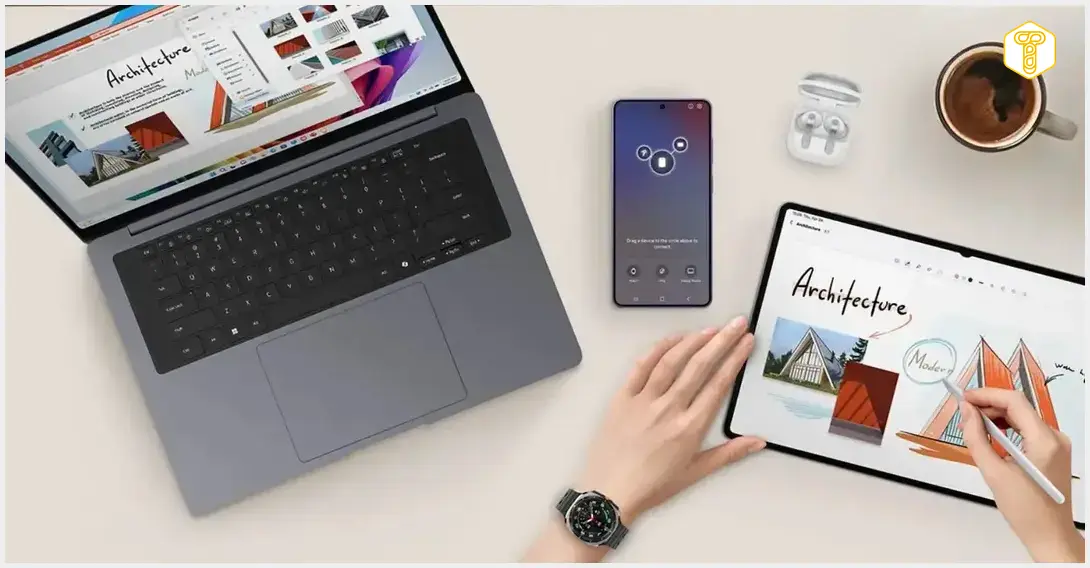
This article reminds users about Samsung Multi Control, a feature that seamlessly connects Galaxy phones/tablets with Windows PCs, allowing control with a single mouse and keyboard. Discover how to activate and use this overlooked yet powerful tool for enhanced cross-device productivity.
Google is addressing the persistent issue of Pixel face unlock struggling in low-light conditions with a new screen-brightening feature discovered in the Android 17 beta.
Tesla has officially started production of its Optimus humanoid robot, a significant milestone that surprisingly coincides with a sharp 43% decline in the company’s net profit. This article delves into the financial implications, production details, and the technical and data challenges facing Tesla’s ambitious robotics project.
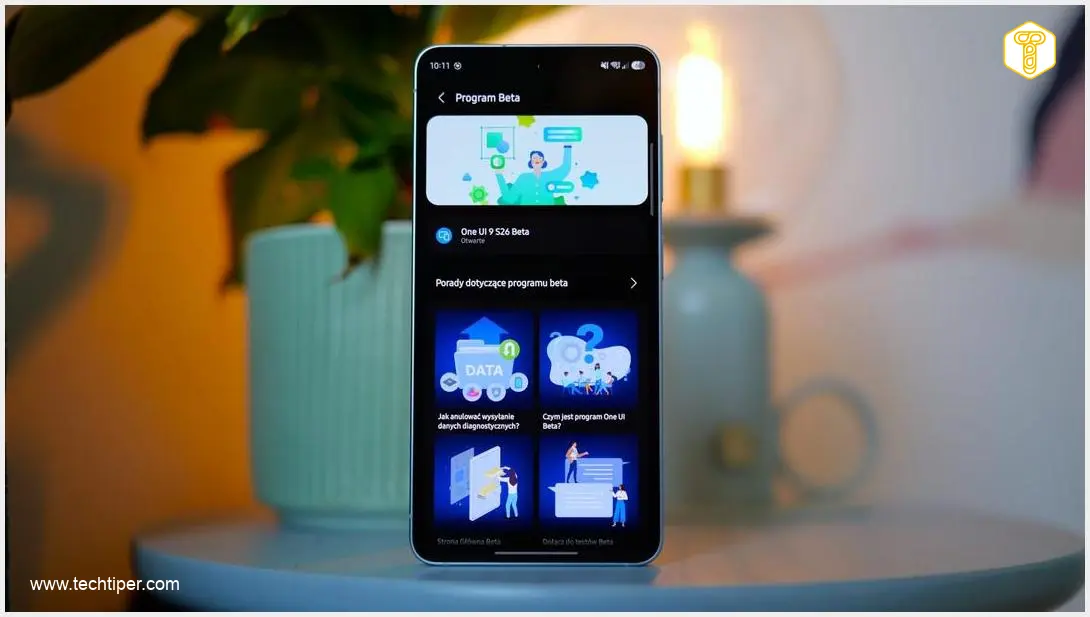
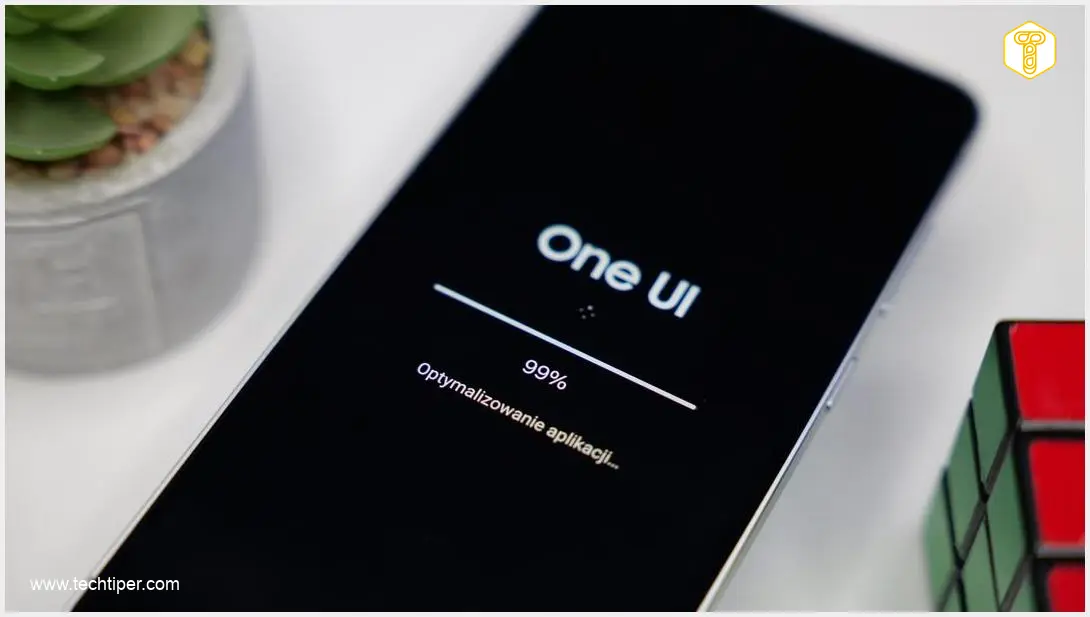
Samsung has rolled out a second One UI 9 update for the Galaxy S26 series this month, primarily focusing on system stability and security enhancements. This unexpected update comes amidst user reports of a persistent setup screen freezing issue, leading many to hope for an unlisted fix.
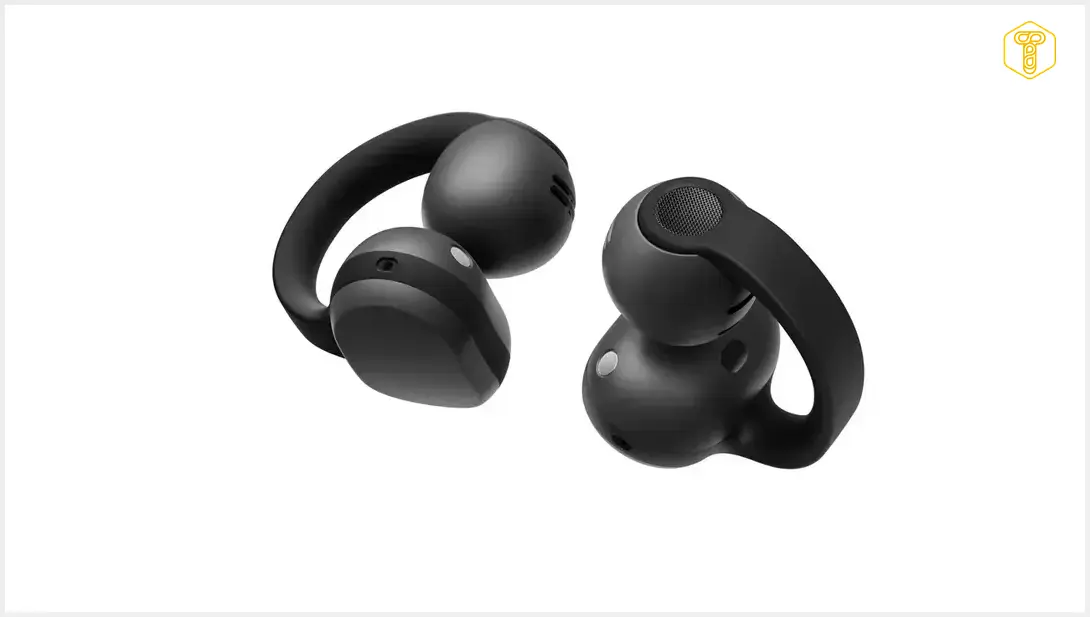
Samsung is introducing a groundbreaking addition to its audio lineup: the Galaxy Buds On. These open-ear earbuds feature a unique clip-on design, allowing users to enjoy music and podcasts while remaining fully aware of their surroundings. Debuting tomorrow in South Korea, with global availability anticipated soon, the Galaxy Buds On promise comfort, secure fit, and integrated Galaxy AI features, marking a significant step in personal audio technology.
The new Technics EAH-A1000 headphones enter the premium market with a blend of audiophile-grade technologies, impressive active noise cancellation, and exceptional comfort. This in-depth review explores whether these over-ear wireless headphones can truly challenge established rivals.
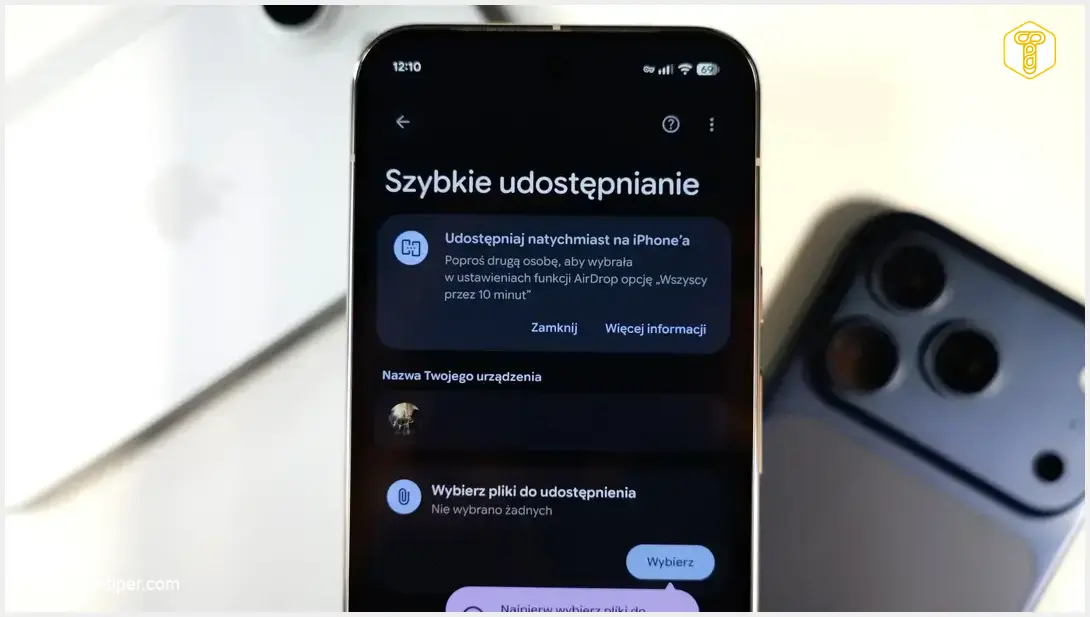
Quick Share revolutionizes file transfer between Android, Windows, ChromeOS, and even Apple devices. Discover how to quickly and wirelessly share photos, videos, and documents without email, cloud storage, or even an internet connection for nearby transfers.
Recent benchmark comparisons between Samsung’s upcoming Exynos 2700 and Qualcomm’s Snapdragon 8 Elite Gen 6 indicate a significant lead for Samsung’s processor, with reported performance gains of up to 20% in multi-core CPU tests. This rivalry highlights intense competition in the mobile chip market as both companies push boundaries in performance and efficiency.
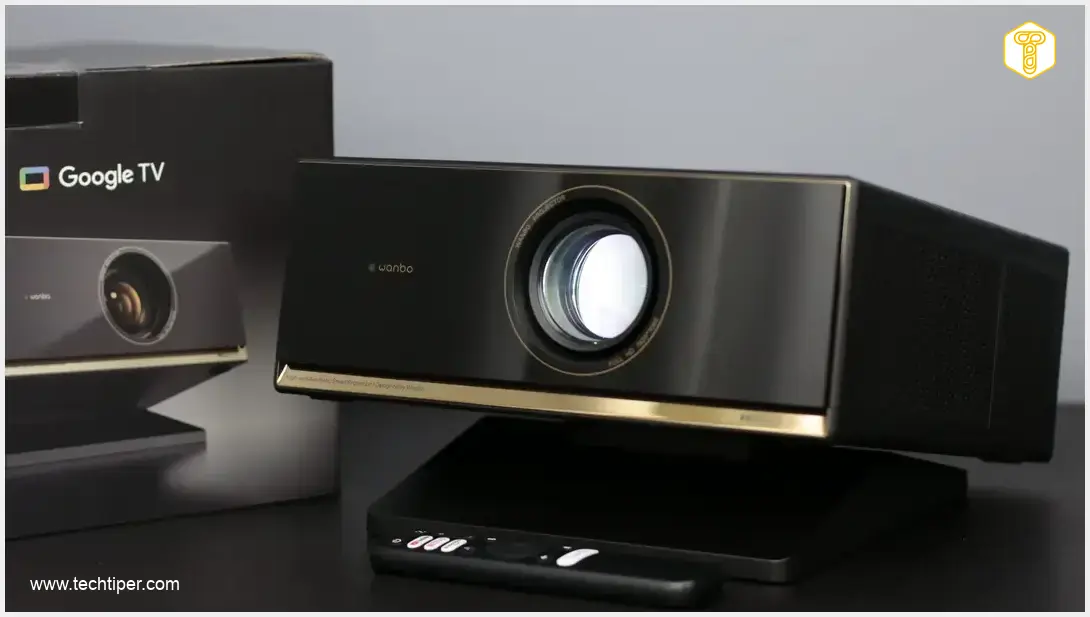
Explore a detailed review of the Wanbo X7 Pro Max projector, highlighting its balanced performance, smart features with Google TV, impressive image quality, and affordable price point, making it an excellent choice for home entertainment.
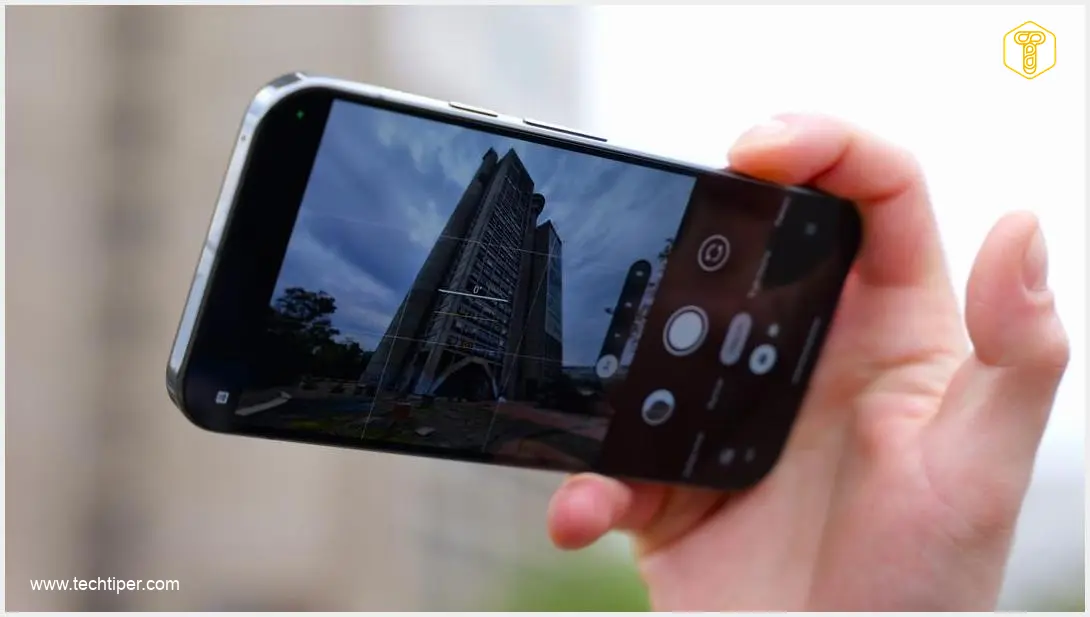
Google Pixel users are reporting a peculiar camera bug where recorded videos don’t always match what appears on the screen during filming. This issue has been observed across several Pixel generations, leading to frustration and speculation regarding its cause.
Apple released self-repair guides for its new foldable iPhone Duo, but the launch has been marred by early reports of screen cracking and component unavailability, raising questions about durability and repair accessibility.
Google Messages is rolling out enhanced scam and spam protection, powered by the Gemini AI model, to offer users a more secure messaging experience. This optional new feature, along with improved in-app search, signifies Google’s commitment to user safety and convenience.
Jonr introduces a new line of advanced vacuum cleaners, including the M70, M70 Pro, and Z70 Pro, featuring powerful suction, automated brush cleaning, and AI technologies for effortless home cleaning. These models combine vacuuming with mopping, intelligent navigation, and innovative stain removal, set to launch in Europe later this year.
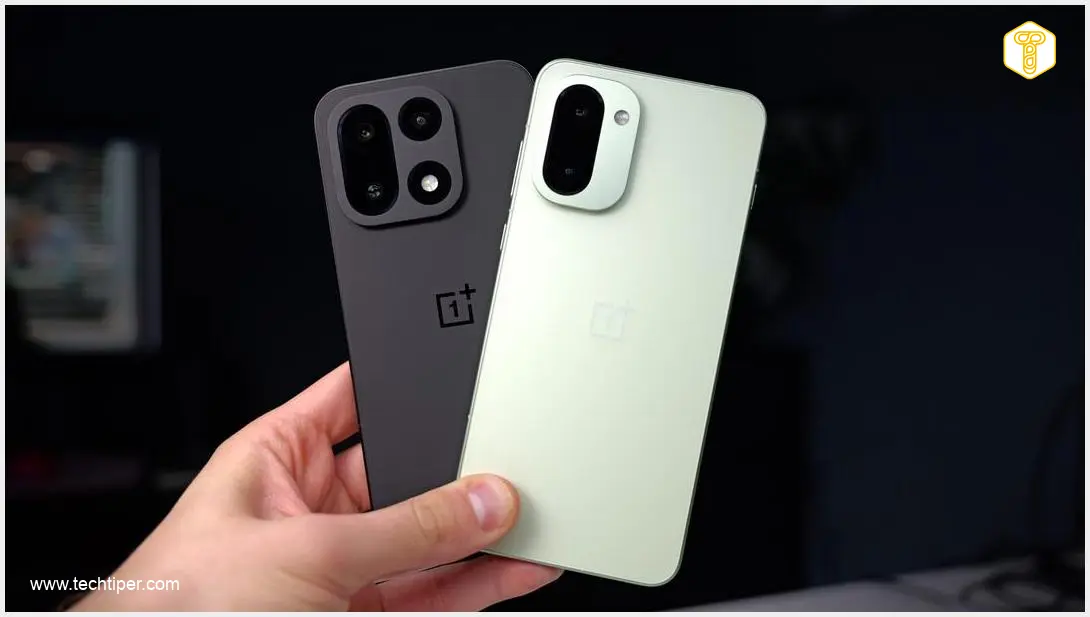
OnePlus officially launches its stable Android 17 update, bringing ColorOS 17 to devices and marking the discontinuation of OxygenOS. Discover the new features, device rollout schedule, and what this means for OnePlus users.
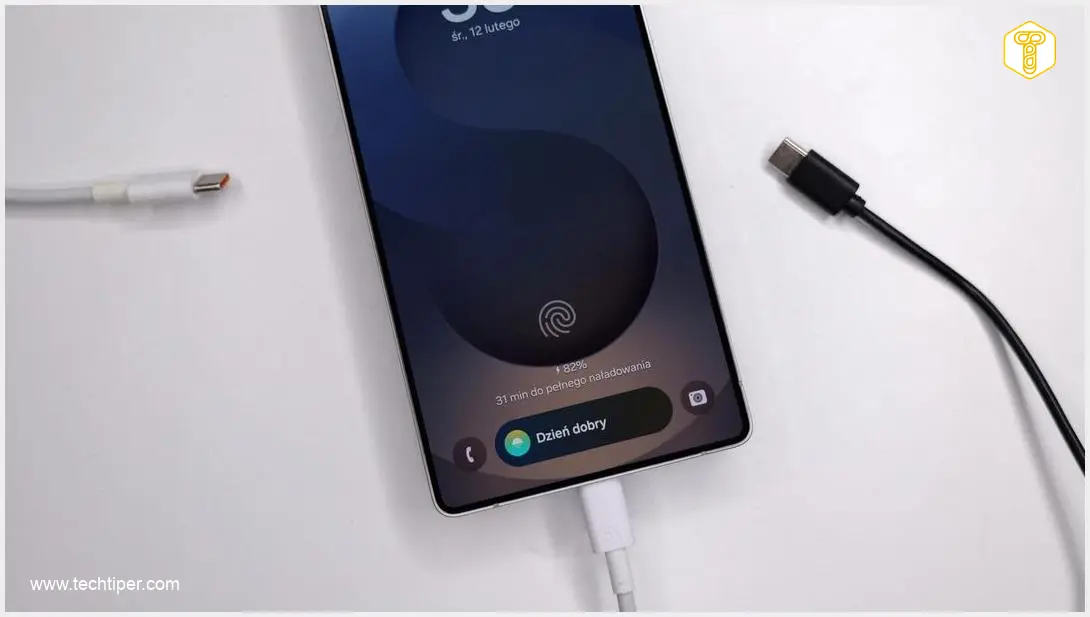
Samsung Galaxy S24 and S25 users are reporting significant battery drain after updating to One UI 9, with some needing to charge their devices multiple times a day. Samsung has not yet provided an official statement.
The Ferrari Luce, the brand’s first electric model, has a confirmed price exceeding half a million dollars, sparking debate despite its groundbreaking performance and record-breaking auction sale for the first unit.
After seven years of maintaining the same battery capacity in its flagship Ultra smartphones, official certifications suggest a significant upgrade is coming to the Samsung Galaxy S27 Ultra, finally addressing user demands for more power.
Samsung is set to release a new, luxurious foldable phone, the W27, exclusively for the Chinese market. This high-end device, expected to be a premium variant of the Galaxy Z Fold 8 Ultra, boasts a distinctive golden design and potentially enhanced features, marking Samsung’s final major foldable launch for the year.
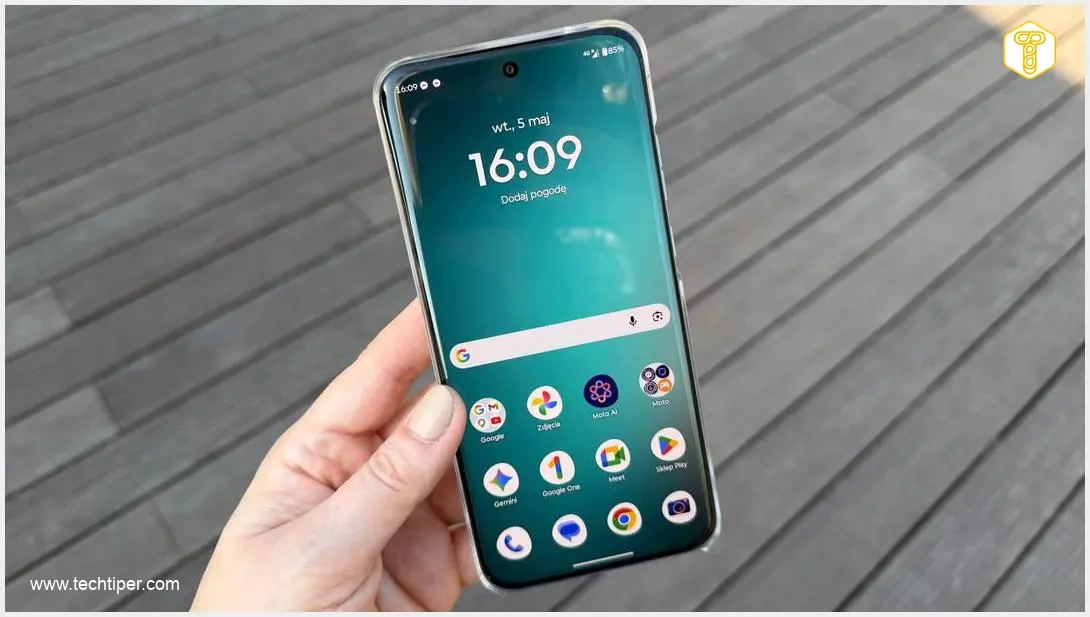
Discover how the MotoKey+ app transforms the dedicated AI button on Motorola smartphones from a limited feature into a versatile shortcut powerhouse, allowing extensive customization for improved user experience.
Recent updates to the Samsung Members app banner are fueling speculation about the imminent release of the One UI 9.5 beta. Learn what new features are rumored, expected release timelines, and how Samsung is preparing for future One UI milestones, including deep AI integration.
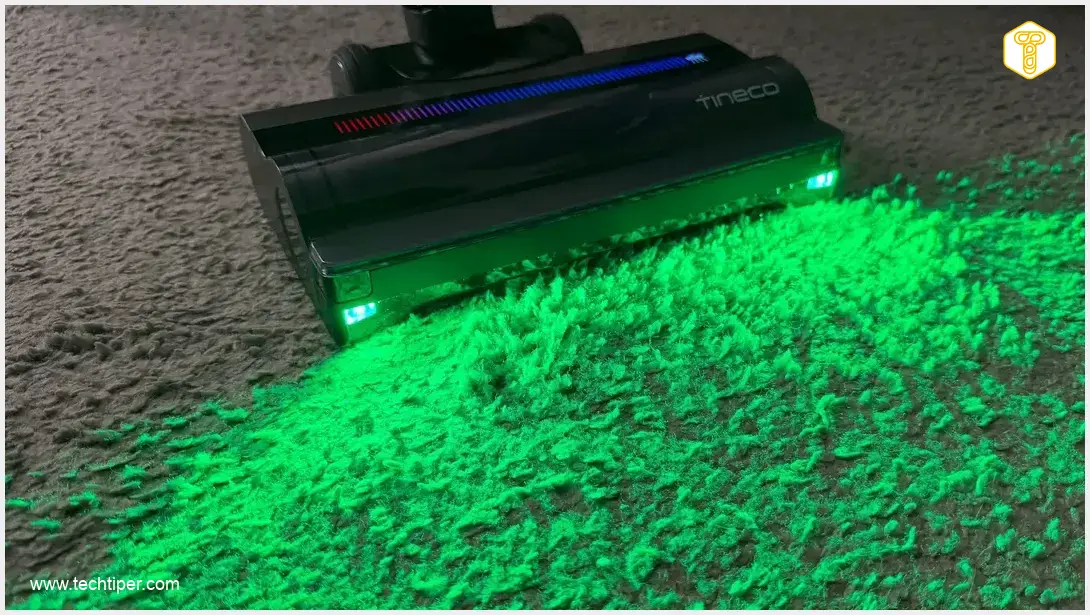
Explore a comprehensive review of the Tineco Pure One A90S, a high-end cordless stick vacuum cleaner offering advanced automation, powerful suction, and versatile cleaning for homes with pets and various floor types. Discover if its premium features justify its price.
Official information regarding the OnePlus Ace 7 smartphone series indicates a significant focus on enhanced cooling for improved user experience. The devices are set to launch with advanced thermal management solutions, including an active cooling fan and a dual-channel airflow architecture, promising more stable gaming performance. However, there’s a catch: the series will initially be exclusive to the Chinese market.
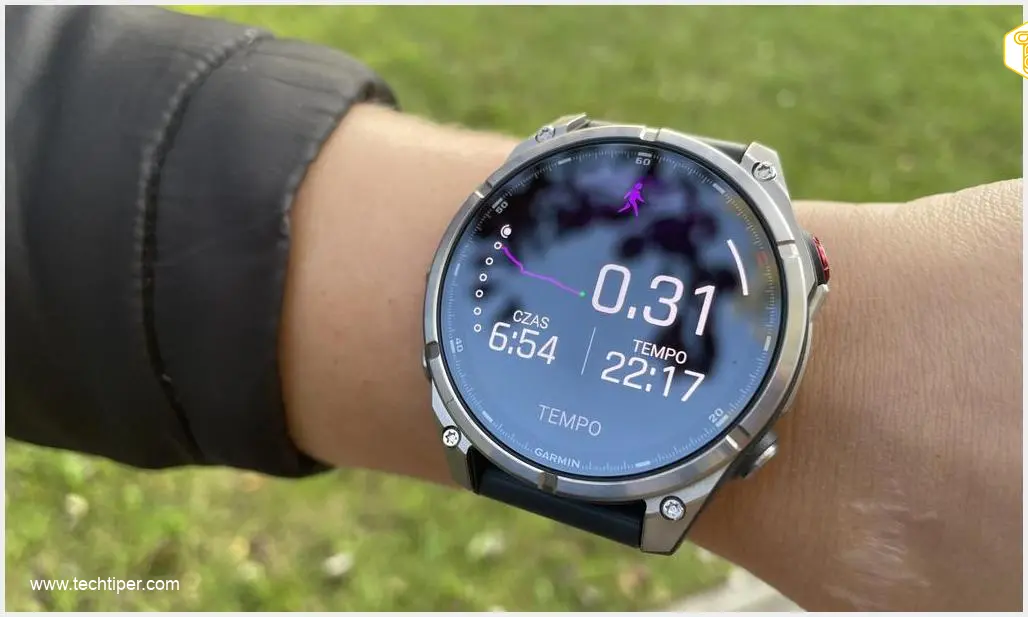
Despite their premium status, Garmin Fenix 9 and Fenix 9 Pro smartwatches launched without YouTube Music. After a two-month wait, the popular music streaming app is finally rolling out, allowing users to leverage the watches’ 64 GB storage for offline listening.