

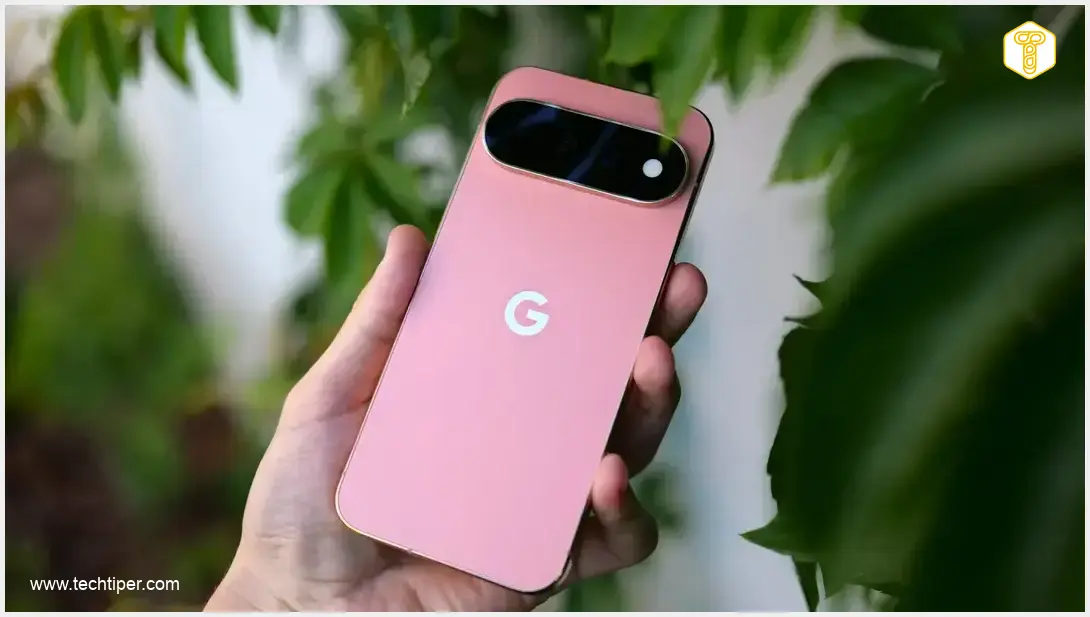
Google is reportedly developing a significant enhancement for face recognition on its Pixel smartphones, specifically targeting the notorious challenge of unlocking devices in low-light environments. This much-anticipated improvement aims to resolve an issue that has plagued current Pixel models, making it difficult for users to access their phones in dimly lit conditions. Evidence of this new solution has surfaced in a beta version of Android 17, though the exact timeline for its public release remains unconfirmed.
Contents
The Persistent Problem: Pixel Face Recognition in Darkness
Modern Pixel phones rely on their front-facing camera and advanced image recognition algorithms for facial authentication. While this system generally performs well under adequate lighting, it often struggles to accurately identify the user in dark rooms or poor lighting. This limitation can be a source of frustration for many Pixel owners.
In contrast, Apple’s Face ID, implemented in iPhones, utilizes infrared technology to create a detailed three-dimensional map of a user’s face. This sophisticated approach allows iPhones to be unlocked even in complete darkness, providing a seamless user experience regardless of ambient light conditions.
A Brief History of Pixel Face Unlock
Interestingly, Google previously employed a similar infrared-based face unlock system in the Pixel 4, released in 2019. However, the company chose to remove these dedicated sensors in subsequent generations of its flagship smartphones. Face recognition eventually made a return with the Pixel 7, but this time it relied solely on the standard front camera, leading to the aforementioned low-light performance issues.
Google’s Innovative Solution: Screen Brightening
According to reports from Android Authority, the Android 17 QPR3 Beta 2 build contains a new option labeled “Brighten screen in low light.” This feature is designed to address the low-light challenge with a straightforward yet ingenious method.
The new functionality will operate on a simple principle: when the phone detects insufficient ambient light, it will automatically increase the screen’s brightness. This temporary illumination will help to brighten the user’s face, allowing the front camera to more easily and accurately recognize facial features. This intelligent adaptation aims to bridge the gap in low-light performance without requiring specialized hardware.
Further insights from the system’s code suggest that users may be granted control over the intensity of this screen brightening. A lower brightness setting could offer greater comfort, while a higher setting would enhance the effectiveness of recognition. Google might also enable this feature for use in total darkness and provide options to restrict its operation in specific scenarios, such as during sleep mode or when “Do Not Disturb” is active.
When Can We Expect This Feature?
Currently, this innovative solution is still undergoing testing. It is not yet clear which Pixel models will receive this new capability. However, given its software-centric nature, there is potential for it to be rolled out to older Pixel devices that support face recognition. For more on what’s new in the upcoming Android version, you can check out Android 17 Features and Release Date Information. Additionally, Google is testing other improvements, including new charging features, which you can read about here: Android 17 Priority Charging: Google Tests New Feature.
Previous reports had also hinted at “Project Toscana,” an internal Google initiative rumored to be developing an infrared-based face recognition system. However, there is no current evidence to suggest that this newly discovered screen-brightening function is directly linked to Project Toscana.

Google has yet to officially confirm a release date for this feature. The mere presence of this functionality in a test version of Android does not guarantee its eventual rollout to all users, as features can be refined or even removed before a final public release.
Frequently Asked Questions (FAQ)
Google is addressing the persistent issue where Pixel smartphones struggle to accurately recognize and unlock using face authentication in low-light or dark environments. Current Pixel models rely on the front camera, which performs poorly without adequate lighting.
When the phone detects that ambient light is too low for effective face recognition, it will automatically increase the screen’s brightness. This temporary illumination will light up the user’s face, making it easier for the front-facing camera to identify them and unlock the device.
Yes, indications from the Android 17 beta suggest users may be able to adjust the brightness level of the screen illumination. There might also be options to use it in complete darkness and to disable it in specific modes like “Do Not Disturb” or sleep mode for user convenience.
The feature is currently in the testing phase within Android 17 QPR3 Beta 2, and Google has not yet confirmed a release date. While it’s unclear which specific Pixel models will receive it, its software-based nature suggests it could potentially be rolled out to a wider range of devices that already support face recognition.
Source: Android Authority
Opening photo: Krzysztof Wilamowski
About Post Author
