
Contents
Samsung’s Android 17 and One UI 9 Roadmap: Anticipated Updates for Galaxy Devices
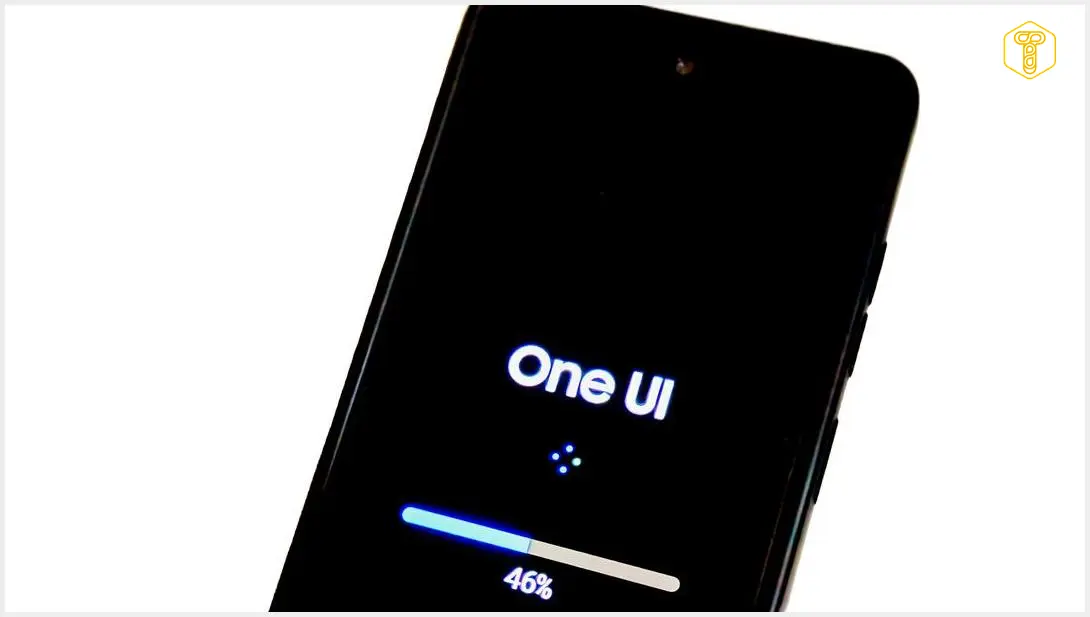
Samsung consistently works to expand the list of its Galaxy smartphones and tablets eligible for the latest Android operating system updates. The highly anticipated One UI 9, which will be based on Android 17, is on the horizon, promising a suite of new features and enhancements for users. While the full rollout for all devices will occur in phases, Samsung’s commitment to long-term software support means many existing models are expected to receive these significant upgrades.
Understanding One UI 9 and Android 17
One UI is Samsung’s custom user interface that runs on top of Android, offering a distinct design, additional features, and a tailored user experience. Each major Android release brings new core functionalities, and One UI integrates these while adding Samsung-specific innovations. Android 17 and its corresponding One UI 9 iteration are expected to introduce advancements in privacy, performance, and user interface refinements, continuing Samsung’s tradition of offering a feature-rich mobile experience.
Samsung’s update policy is among the best in the Android ecosystem, with many flagship and even mid-range devices now receiving several years of OS upgrades. This ensures that users can enjoy the latest security patches, new features, and improved performance for an extended period.
The Phased Rollout of One UI 9 and Android 17
While an official global release timeline for One UI 9 based on Android 17 is still being finalized, Samsung’s strategy typically involves a phased rollout. This means that flagship devices often receive updates first, followed by a broader range of mid-range and budget-friendly models. Users should expect new features and improvements, potentially including innovations like those discussed in Samsung One UI 9 NameDrop Feature for Android 17.
The update process ensures stability and compatibility across a diverse range of hardware, meaning some regions and specific carrier-locked devices might receive the update at slightly different times. Samsung has previously indicated that development is underway for future flagship series, including the likes of the Galaxy S26, and its predecessors such as the Galaxy S23 and S23 Ultra, as detailed in reports like Samsung One UI 9, Android 17, and Galaxy S26 Ultra Development. Their internal schedules suggest that the necessary software packages will be delivered to users in the coming weeks and months following the official Android 17 release.
How to Check for Software Updates on Your Samsung Device
Keeping your Samsung device up-to-date is crucial for security and accessing the latest features. To check if an update is available for your device:
- Open the Settings app on your Samsung Galaxy smartphone or tablet.
- Scroll down and tap on Software update.
- Tap on Download and install.
Your device will then check for any available updates and prompt you to download and install them if found. Ensure you have a stable Wi-Fi connection and sufficient battery life before proceeding with an update.
Samsung Galaxy Devices Expected to Receive Android 17 (One UI 9)
Given Samsung’s update policy and the models that typically receive multiple OS upgrades, the following Galaxy smartphones, which have been among the more recently released or supported devices, are highly likely candidates for the Android 17 and One UI 9 update:
- Galaxy A35
- Galaxy A36
- Galaxy A37
- Galaxy A54
- Galaxy A55
- Galaxy A56
- Galaxy A57
- Galaxy A26
- Galaxy A27
- Galaxy A16
- Galaxy A17
- Galaxy M56
- Galaxy M54
- Galaxy F17
- Galaxy F70
It’s important to remember that this list represents anticipated eligibility based on Samsung’s typical update cycles. Official confirmation will come closer to the Android 17 release. The rollout of One UI 9 will continue to expand to more eligible devices over time.

Frequently Asked Questions (FAQ)
As of now, Android 17 and One UI 9 are future software versions. Google typically releases a new Android version annually, with Samsung’s One UI update following a few months later. Users can expect official announcements and a clearer timeline closer to the release of Android 17.
Samsung offers a robust update policy. Many of its flagship and newer mid-range Galaxy devices receive up to four or five generations of Android OS upgrades and five years of security updates. This commitment ensures longevity and continued access to the latest features and security enhancements.
While Samsung supports a wide range of devices, not all older models will be eligible for Android 17 and One UI 9. Eligibility is typically based on the device’s release date, hardware capabilities, and Samsung’s update policy for that specific model series. Newer and higher-end devices are generally prioritized.
Source: 9to5Google
Opening photo: Andri / Adobe Stock
About Post Author
