

Contents
Meta Leads the Way with Camera-Free Smart Glasses, Prioritizing Privacy
The landscape of wearable technology is rapidly evolving, with tech giants like Meta and Google pushing the boundaries of what smart glasses can achieve. Recent reports suggest that Meta is actively developing a new iteration of its smart glasses, notably distinguished by the absence of a camera. This strategic move appears to be a direct response to growing privacy concerns, promising a more secure and user-friendly experience.
Meta’s Luna Glasses: A Privacy-First Approach
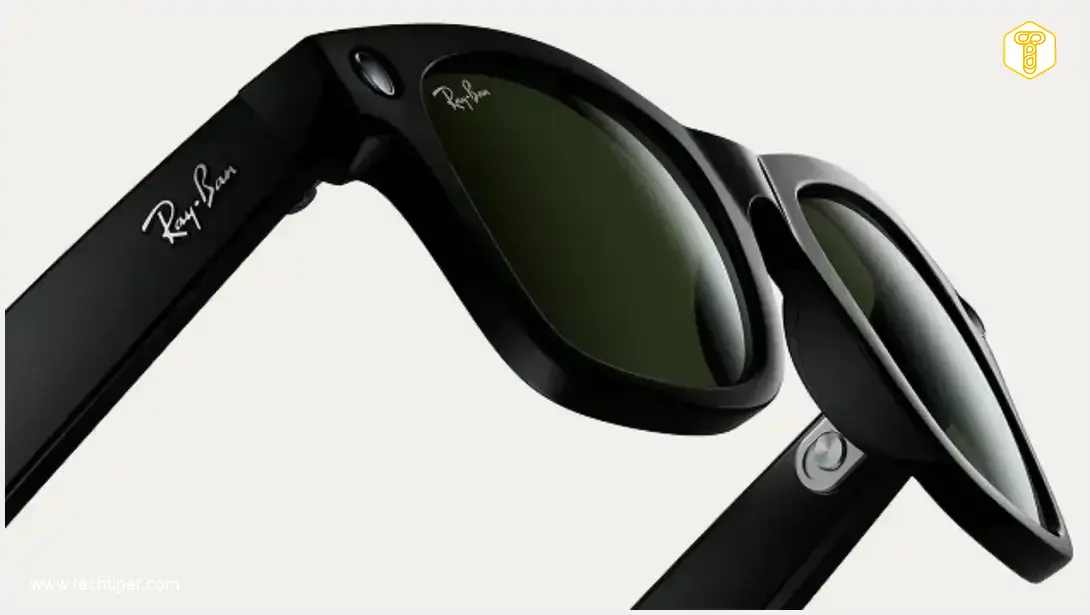
Meta, a key player in the smart wearables market, is reportedly working on a refreshed version of its intelligent eyewear, internally dubbed “Luna.” The most significant differentiator for these upcoming glasses is their planned lack of a camera. This decision marks a clear pivot, addressing the widespread criticism and public apprehension surrounding potential privacy infringements associated with discreet recording capabilities.
Concerns primarily stemmed from the ability of earlier smart glasses to covertly record individuals without their explicit consent. While previous models theoretically included dedicated LED indicators that would illuminate during recording, this safeguard was often found to be easily bypassed with minimal effort, exacerbating privacy worries.
Despite shedding the camera, the modified Luna glasses will not be devoid of advanced electronics. They are expected to retain essential components such as microphones and speakers, facilitating seamless communication and interaction with Meta AI. This focus ensures that users can still leverage voice commands and audio functionalities for a truly hands-free experience. For a deeper understanding of the minds behind Meta’s AI initiatives, you might find information on the Meta AI board advisors insightful.
The Luna glasses are anticipated to be available in two distinct variants: Clubmaster and Burbank. Their official market debut is projected for October 2026, setting a significant date for wearable technology enthusiasts.
Google’s AI-Powered Smart Eyewear: Integration with Gemini
Meta isn’t the only company making strides in this domain. Earlier this year, during the I/O 2026 event, Google unveiled its own advanced smart glasses. This modern device boasts full integration with the sophisticated Gemini artificial intelligence. This powerful AI enables remarkable hands-free control over applications installed on a connected smartphone, offering a glimpse into a truly intuitive user experience.
With Gemini’s capabilities, users can expect enhanced functionalities, from navigation to information retrieval, all managed through voice or subtle gestures, without ever needing to touch their phone. To learn more about how advanced AI like Gemini manages and processes information, exploring concepts like Google Gemini’s memory import feature can be very informative.
Intriguingly, Google’s smart glasses are expected to hit the market as early as autumn of this year. However, details regarding their official distribution across all international markets are currently unavailable.
The Future of Smart Eyewear
Both Meta and Google are clearly investing heavily in the future of smart eyewear, albeit with slightly different immediate priorities. Meta’s focus on a camera-free design highlights a crucial industry shift towards user privacy and trust, directly addressing past criticisms. Google, on the other hand, is leveraging its powerful AI capabilities to deliver a deeply integrated and intuitive hands-free experience. As these technologies mature, we can anticipate more sophisticated, secure, and seamlessly integrated wearable devices becoming a part of our daily lives.

Frequently Asked Questions (FAQ)
Meta is reportedly removing the camera from its upcoming Luna smart glasses to directly address significant privacy concerns and public criticism regarding the potential for covert recording without consent.
Despite lacking a camera, Meta’s Luna smart glasses are expected to retain microphones and speakers to enable communication and interaction with Meta AI, providing voice-activated functionalities.
Google’s smart glasses are fully integrated with Gemini artificial intelligence, allowing for hands-free control of applications installed on a connected smartphone through voice commands and gestures.
Meta’s Luna smart glasses are projected for an official market debut in October 2026, while Google’s AI-powered smart glasses are expected to be released in autumn of this year.
Source: Engadget. Opening photo: Meta / Press materials.
About Post Author
