
Contents
Google Prepares a Novelty for Pixels: AI to Decide Which Notifications Are Important
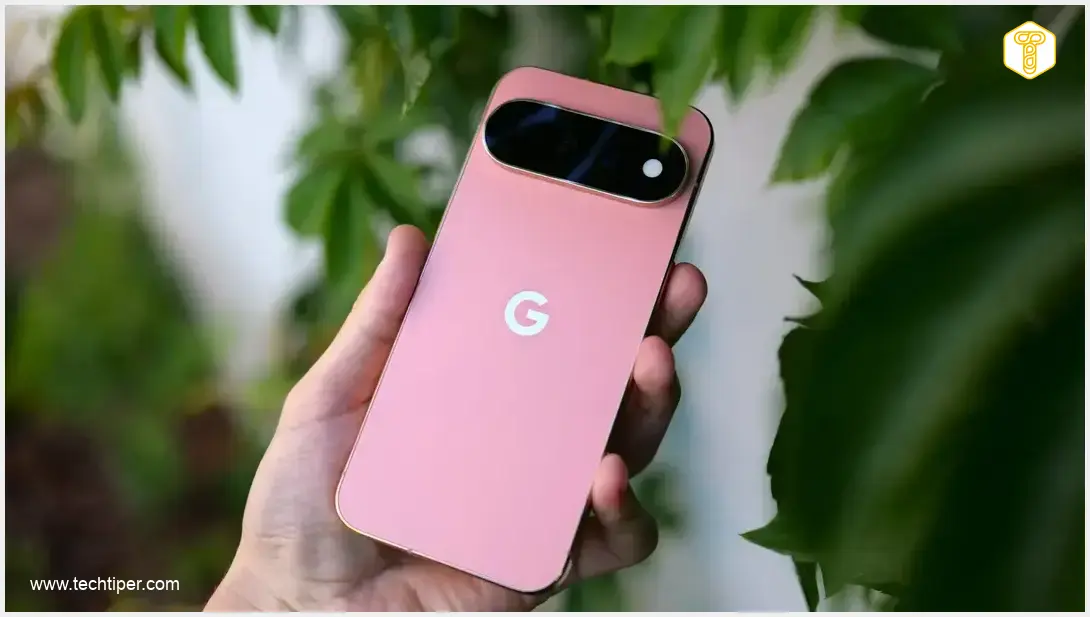
Google is reportedly working on a significant upgrade for the HiLight feature on its Pixel 11 Pro smartphones. This enhancement, poised to integrate with Android 17’s forthcoming notification management system, could transform how users interact with their devices. The LED lights on the phone’s casing, traditionally used for calls and messages, are set to become far more versatile, signaling a broader range of crucial events. A key innovation in this evolution is the planned inclusion of artificial intelligence (AI) to intelligently filter and prioritize these alerts, ensuring users are always aware of what truly matters.
Enhanced Notification Experience on Pixel 11 Pro
The HiLight feature has been a distinguishing characteristic of the Pixel 11 Pro series. This innovative set of LED diodes, cleverly positioned around the camera’s flash, is designed to inform users about selected notifications. Currently, its capabilities are somewhat constrained, primarily signaling incoming phone calls and messages from specific applications like WhatsApp.
However, information from reports indicates that Google is actively developing an expansion of HiLight’s functionality. This involves a deeper integration with “Notification Rules,” an entirely new notification management system expected with Android 17. This integration promises to unlock the full potential of the HiLight LEDs, moving beyond its present limitations.
Evidence of these exciting changes has been discovered within the code of Android 17 QPR3 Beta 3. These code snippets suggest that users will gain unprecedented control, enabling them to establish detailed and personalized rules for notifications originating from specific applications or even individual contacts.
One of the anticipated options is a ‘Highlight’ feature, designed to give prominence to certain notifications by elevating them to the top of the notification panel. For Pixel 11 Pro owners, this could mean that when the phone is placed screen-down, the HiLight diodes would activate, providing a discreet yet effective visual alert. This means notifications would no longer be confined to a handful of pre-supported applications but could encompass a wide array of user-defined events, making the system far more adaptable and useful. To stay updated on the latest developments regarding Google’s flagship devices, you might want to explore the latest Google Pixel 11 leaks, specifications, and release date.
AI-Powered Smart Notifications
Beyond expanded rule-setting, Google also plans to leverage artificial intelligence to automatically identify and distinguish important notifications from the deluge of daily alerts. According to the discovered code fragments, the system is designed to recognize and flag critical communications such as urgent messages, delivery updates, and any other alerts that demand a quick response. Crucially, this AI-driven analysis is intended to occur directly on the device, ensuring user privacy by preventing the transmission of notification content to Google’s servers.
This approach offers users a dual benefit: they can manually designate important applications and contacts, or they can empower the system to intelligently select notifications that warrant special attention. On the Pixel 11 Pro, the flashing HiLight LEDs would serve as an immediate, additional visual cue for these AI-prioritized alerts, enhancing user awareness without constant screen interaction. For more insights into how Android 17 is evolving, check out discussions on Android 17 priority charging and other new features Google is testing.
Availability and Future Outlook
It’s important to note that the “Notification Rules” system is not yet available in the stable version of Android 17. The exact timeline for the rollout of all these described features remains uncertain; it is unclear whether they will be introduced with the QPR3 update or at a later date. As Google continues to refine Android 17, users can anticipate a smarter, more intuitive notification experience that truly puts them in control.
Frequently Asked Questions (FAQ)
The HiLight feature on the Pixel 11 Pro uses a set of LED lights around the camera flash to provide visual notifications for incoming calls and messages. It’s designed to give users discreet alerts, especially when the phone is face down.

AI will help identify and prioritize important notifications such as urgent messages, delivery updates, and communications requiring quick responses. This analysis will happen directly on the device, ensuring user privacy, and can trigger the HiLight LEDs for these high-priority alerts.
The “Notification Rules” system, which enables these new features, is currently not available in the stable version of Android 17. It’s uncertain whether they will be included in the upcoming QPR3 update or rolled out at a later time.
Yes, Google emphasizes that the AI analysis for prioritizing notifications will be performed directly on the device. This “on-device” processing means that the content of your notifications will not be sent to Google’s servers, thereby enhancing user privacy.
Source: Android Authority
Opening photo: Krzysztof Wilamowski
About Post Author
