

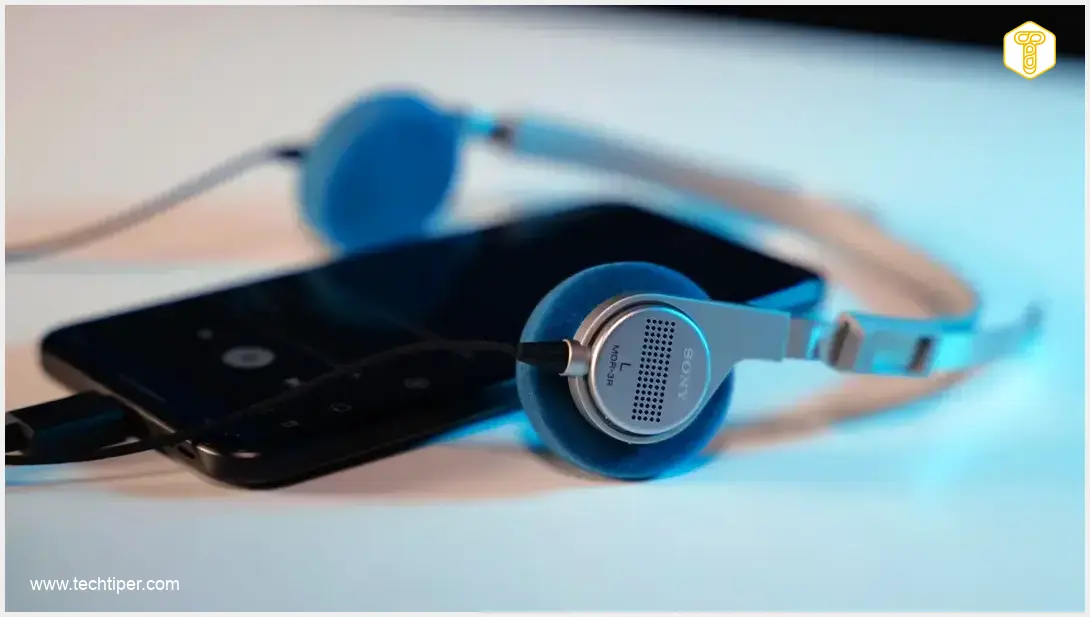
Sony MDR-3R Review
-
Design & Aesthetics
-
Comfort
-
Build Quality & Durability
-
Sound Quality
-
Noise Isolation
-
Microphone Quality
A Unique Blend of Retro Charm and Everyday Comfort
The Sony MDR-3R headphones masterfully blend a striking retro design, inspired by a 1970s classic, with excellent comfort and satisfactory build quality. While they deliver a clean sound profile with good highs and mids, bass is limited due to their open-back nature, and noise isolation is minimal. They offer a distinctive listening experience, prioritizing style and nostalgia over audiophile-grade performance.
Advantages
- Distinctive retro design and aesthetics
- Extremely lightweight and comfortable for extended wear
- Excellent headband adjustability
- Clean audio output with crisp treble and well-defined midrange
- Satisfactory build quality and durability (survived falls)
- Unique open-back design in its price category
Disadvantages
- Virtually no passive noise isolation (open-back design)
- Lack of deep bass due to open-back design
- Maximum volume can be insufficient outdoors
- Not foldable and no water resistance
- Objectively weaker sound performance compared to some competitors
- Basic microphone quality
Contents
Sony MDR-3R Review: A Trip Down Memory Lane with Modern Appeal
The Walkman brand, once synonymous with portable music, has evolved into a luxury audio line in recent years, a far cry from its record-breaking popularity decades ago. This in-depth review of the Sony MDR-3R explores how these reimagined headphones, inspired by a 1979 classic, fare in today’s demanding audio landscape. Are they merely a nostalgic trinket, or do they offer a truly transformative listening experience?Unboxing the Sony MDR-3R
The retro styling of the Sony MDR-3R extends beyond just the headphones themselves. The cardboard packaging evokes a distinct 1980s aesthetic, a thoughtful touch that enhances the overall nostalgic experience. This commitment to consistent design is highly commendable. Inside the box, you’ll find the headphones along with additional orange ear pads, allowing for a subtle customization of their appearance. The package also includes a set of instructions. While the overall bundle is quite basic, the ability to change the ear pads offers a nice personalized touch. However, it’s worth noting that the pads are relatively stiff, making their replacement a somewhat awkward and less-than-seamless process.Design and Build Quality
The Sony MDR-3R headphones pay homage to an iconic model from the late 1970s. They are available with a gray headband, and users can choose between two ear pad colors. A limited-edition red and black variant, inspired by the popular series *Stranger Things*, was also released.Embracing Retro Aesthetics
Design is paramount for the MDR-3R. The retro aesthetic truly shines in person, capturing the essence of a bygone era. The headphones are predominantly constructed from plastic, with a metal element connecting the earcups to the headband. Beyond this, premium materials are scarce. Consequently, the device is incredibly lightweight, weighing just 49 grams (approximately 1.7 ounces) with the cable attached. Sony states a weight of about 38 grams (1.3 ounces) without the cable, though the cable is permanently affixed.Connectivity and Features
The cable measures approximately 120 centimeters (about 47 inches) and features an in-line remote with three buttons and a microphone located beneath the left earcup. This length is ideal for smartphones and laptops, though it might be too short to comfortably reach a desktop computer. The cable is flexible and lacks a braided finish, yet it feels surprisingly robust. Each earcup proudly displays a reflective Sony logo, distinctive acoustic vents, the model designation, and a side indicator (L or R).Durability and Adjustability
The earcups offer a somewhat loose adjustment range, leading to a slight rattling sound when the headphones are shaken. Despite this, the overall build quality is satisfactory. The Sony MDR-3R survived two accidental falls from a desk (their lightweight nature makes them prone to being knocked off surfaces), showing no visible signs of damage. However, the design is not foldable, nor does it offer any water resistance. On the other hand, the headband adjustment mechanism is excellent. Each side can extend by 7 centimeters (about 2.75 inches) from its most compact position. This ample adjustability means the Sony MDR-3R should comfortably fit most head sizes, though accommodating them over a thick winter hat might pose a challenge.User Experience
Thanks to their lightweight construction and flexible adjustments, wearing the Sony MDR-3R daily is a remarkably comfortable experience. While the ear pads aren’t particularly thick, the headphones apply a gentle, comfortable pressure to the ears. Even the absence of padding on the upper headband doesn’t detract from the comfort.Open-Back Design & Isolation
Crucially, the Sony MDR-3R are open-back headphones, a design choice that makes them almost unrivaled in their price and power requirement category (unlike competitors such as the Koss Porta Pro which still rely on a 3.5mm mini-jack). As an ardent fan of open-back designs (personally using Beyerdynamic DT990 Pro daily), I find the Sony MDR-3R’s ergonomics quite commendable. Being open-back, these headphones offer virtually no passive noise isolation. Wearing the Sony MDR-3R in an urban environment means you’ll hear everything happening around you. As a relatively basic model, it also lacks active noise cancellation (ANC). For those seeking to block out the world, you might consider alternatives such as the Nothing Ear (1) or explore solutions like the Samsung Galaxy Buds with Hearapy app for motion sickness prevention.Seamless Connectivity
Sony does not provide a dedicated app for the MDR-3R. The headphones connect to your phone or computer via a USB-C cable, and they are ready for use almost instantly. The volume control and pause buttons on the in-line remote function effectively and respond immediately. Initially, I was concerned about cable microphonics (noise transmitted through the cable), but this proved to be a non-issue. Due to the open-back design, vibrations from the cable are not transferred into the ear canal, ensuring a clean listening experience.Sound Quality
The specifications for the Sony MDR-3R mention 23-millimeter drivers, but further details are not provided. However, this isn’t a major drawback. Before testing, I had tempered my expectations, anticipating the worst. The delicate construction, small drivers, and lack of isolation didn’t suggest a groundbreaking audio performance.Initial Impressions and Sound Profile
My first listening session quickly disproved my pessimistic outlook. Sony has indicated that the sound profile has been modified to better suit modern standards. While it’s difficult to discern a significantly more “entertaining” sound signature, the Sony MDR-3R delivers a notably clean audio output. The sound possesses a “retro-bazaar” characteristic, yet the transducers themselves are of a surprisingly high quality. Treble frequencies are crisp and convey a good amount of detail without being harsh, and the midrange is equally well-defined. The most noticeable absence is in the low-end, which is primarily a consequence of the open-back design. While my Beyerdynamic DT990 Pro headphones occupy a completely different league, the soundstage in the MDR-3R is not as expansive as I had hoped for such small Sony headphones.Genre Performance and Volume
Overall, the Sony MDR-3R offers a relatively flat but accurate sound profile. These headphones are unlikely to astound anyone with their audio quality. The small drivers (for on-ear headphones) and unique sound character, however, lend a distinctive charm to older or imperfectly mastered tracks. Despite not being an audiophile marvel, these headphones provided a considerable amount of listening pleasure during testing. Neoclassical music sounds quite good. However, genres that heavily rely on deep bass, such as rap, unfortunately fall short, losing their primary appeal. Conversely, the Sony MDR-3R performs exceptionally well with metalcore, alternative metal, and nu-metal. Listening to the album *Bodies* by the Australian band Thornhill was a particularly enjoyable experience. The maximum volume is adequate for home listening. Outdoors, however, the power can feel insufficient, with passing cars effectively drowning out your favorite tunes.Microphone Quality
The Sony MDR-3R features a single in-line microphone. While its audio capture quality doesn’t match that of the most advanced in-ear headphones with ANC, it is perfectly suitable for conducting voice calls in a quiet home environment.Technical Specifications and Pricing
The base version of the Sony MDR-3R is priced at approximately 249 Polish Zloty (around $60-70 USD, subject to exchange rates), while the *Stranger Things* edition commands a premium of 50 Polish Zloty more. At this price point, it’s easy to find in-ear or on-ear headphones that offer significantly better sound performance. Basic wireless models are also within reach. However, none of these more advanced models can match the sheer style and unique appeal of the Sony MDR-3R.| COMPONENT | DETAILS |
|---|---|
| Headphone Type | Open-back, dynamic |
| Connectivity | Wired, USB-C |
| Driver Size | 23 mm |
| Cable Length | Approx. 120 cm (47 inches) |
| Volume Control | Yes, on cable |
| Microphone | Yes, on cable |
| Water Resistance | None |
| Weight | Approx. 38 grams (1.3 oz) / 49 grams (1.7 oz) with cable |
Sony MDR-3R Review: Summary and Verdict
The Sony MDR-3R headphones are a product that deeply draws from the aesthetics and spirit of the last century. They are a model brimming with character and charming imperfections. Such devices are increasingly rare in today’s market, and this uniqueness is perhaps the greatest strength of the reviewed model. The MDR-3R leaves a lasting impression – you’ll either love them or hate them. I unequivocally belong to the former group. Objectively, these retro headphones from Sony cannot compete in terms of raw sound quality, microphone performance, or overall ergonomics with other devices in a similar price bracket. However, their build quality and comfort are very good, and compact, open-back designs at this price point are virtually nonexistent. The 1980s frequently resurface in fashion, photography, and even computing. Sony has demonstrated that such nostalgic experiments can be successfully applied to the audio category as well, as the reviewed model is visually phenomenal. While the MDR-3R are, objectively, among the weaker headphones I’ve tested in terms of technical performance, after returning the review unit, I am seriously considering purchasing my own pair.Frequently Asked Questions (FAQ)
The Sony MDR-3R stands out primarily for its distinctive retro design, directly inspired by a classic 1979 model, and its open-back acoustic design which is uncommon in its price range. It offers a nostalgic aesthetic combined with modern USB-C connectivity.
Due to their open-back design, the Sony MDR-3R offers no passive noise isolation, meaning you will hear all ambient sounds. The maximum volume might also be insufficient to overcome outdoor noise. Therefore, they are generally less suitable for noisy environments or commuting and are better suited for home or quiet office use.
The Sony MDR-3R offers a clean sound with detailed highs and mids, but its open-back design leads to a noticeable lack of deep bass. While the sound profile has been adjusted for modern standards, it doesn’t deliver an audiophile-grade experience or robust bass often found in contemporary closed-back headphones. It’s more about a unique, nostalgic listening character than pure fidelity.
The headphones include an in-line microphone that is functional for voice calls in quiet environments. For casual gaming or video conferencing at home, it can serve the purpose. However, for serious competitive gaming or professional conferencing where microphone clarity is paramount, its basic quality may not be sufficient compared to dedicated gaming headsets or advanced communication devices.
Source: Original content. Opening photo: Krzysztof Wilamowski

