

Contents
Samsung Galaxy S27 Ultra: A Step Back in Camera Technology?
The tech world is buzzing with anticipation for the Samsung Galaxy S27 Ultra, but if recent leaks are anything to go by, next year might not be the ideal time for a smartphone upgrade—unless you’re eyeing the Galaxy S26 Ultra. Reports suggest the upcoming 2027 flagship could surprisingly forgo a key camera feature, giving its predecessor a distinct advantage.
The End of Laser Autofocus for Galaxy S27 Ultra
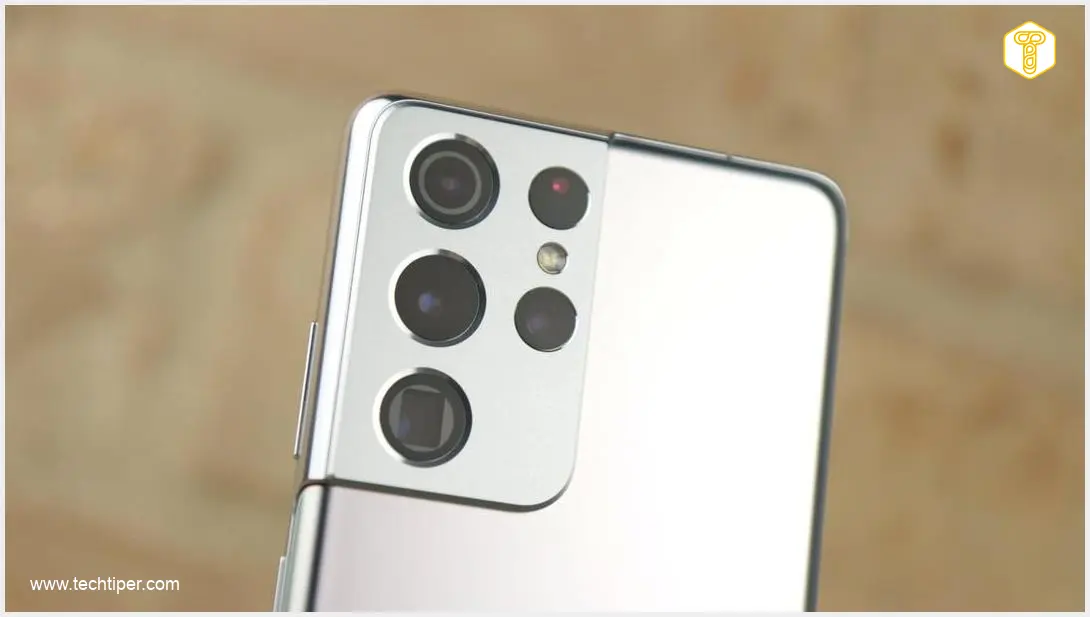
According to Ice Universe, one of the most reliable leakers in the smartphone industry, Samsung is set to remove the laser autofocus (AF) module from the Galaxy S27 Ultra’s camera system. This marks a significant shift, as laser autofocus has been a staple in Samsung’s high-end phones since its hardware implementation debuted with the Galaxy S21 Ultra in early 2021.
- Laser Autofocus History: Introduced with the Galaxy S21 Ultra, this hardware solution has been integral to Samsung’s flagship camera performance for several generations.
“Exclusive: It’s confirmed that the Galaxy S27 Ultra will ditch the laser autofocus module, marking the first time Samsung has removed it since its introduction on the Galaxy S21 Ultra in 2021. This also explains why the latest S27 Ultra design shows only the main camera,…” – Ice Universe
What Replaces Laser Autofocus? The Rise of AI
This isn’t the first physical component to be re-evaluated in Samsung flagships. Following the shift away from a dedicated 3x optical telephoto lens, the S27 Ultra is rumored to lean heavily on artificial intelligence (AI) for its zooming capabilities. Instead of dedicated hardware for focusing, AI algorithms are expected to handle software-based zooming for both photos and videos.
- Zoom Technology: The device is still expected to feature a periscope telephoto lens with 5x optical zoom.
While the integration of AI promises new possibilities, the reliance on software for features traditionally handled by dedicated hardware raises questions about performance consistency. Users accustomed to the precision of hardware-assisted focus might find this a significant change. For those interested in how previous models have evolved, insights into the Galaxy S26 Enterprise Edition highlight Samsung’s continued efforts in specific market segments.
Impact on Photography and User Experience
As the Samsung Galaxy S27 Ultra reaches testers’ hands in early 2027, one of the primary areas of scrutiny will undoubtedly be how effectively Samsung has replaced the separate, hardware-based laser AF. Experts anticipate that the heavy lifting for autofocus will now fall to the formidable 200-megapixel main lens. The critical question remains: will its performance match the reliability and speed offered by the Galaxy S26 Ultra with its dedicated laser AF?
The absence of laser autofocus could impact various photographic scenarios, particularly in low-light conditions or when focusing on fast-moving subjects. While AI advancements are rapid, replicating the instantaneous and precise measurements of a laser system through software alone is a considerable challenge. For context, discussions around the Galaxy S26 Ultra’s battery performance have shown that even minor changes can significantly impact user perception and overall device value.
Is the Galaxy S27 Ultra Still Worth the Upgrade?
The potential removal of a long-standing camera feature like laser autofocus indicates a strategic shift for Samsung, possibly to streamline design, reduce costs, or push the boundaries of AI in mobile photography. For consumers, this means carefully weighing the benefits of new AI features against the proven performance of established hardware. The Galaxy S27 Ultra will need to demonstrate exceptional AI capabilities to convince users that this change is an upgrade, not a compromise.
Frequently Asked Questions (FAQ)
Laser autofocus (AF) uses a laser to measure the distance to a subject, allowing the camera to focus quickly and accurately, especially in low-light conditions. Its removal is a concern because it might affect the speed and precision of focusing, potentially leading to slower or less reliable autofocus performance without a robust hardware replacement.
Hardware-based laser autofocus has been a consistent feature in Samsung’s Ultra series since its introduction with the Samsung Galaxy S21 Ultra in early 2021, and has been present in subsequent models, including the S22 Ultra, S23 Ultra, S24 Ultra, S25 Ultra, and S26 Ultra.

Hardware-based laser autofocus offers precise distance measurement and rapid focusing. AI-powered autofocus, on the other hand, relies on software algorithms and computational photography to analyze scenes and predict focus points. While AI is rapidly advancing, it still needs to prove its ability to match the speed and consistency of dedicated hardware, particularly in challenging environments like low light or with moving subjects.
Yes, it is highly probable. Laser autofocus is particularly effective in low-light scenarios where traditional contrast-detection AF struggles. Without this dedicated hardware, the Galaxy S27 Ultra’s camera might experience slower focusing speeds or less accurate focus in dimly lit environments, potentially impacting overall image quality and user experience in such conditions.
Source: Ice Universe / X. Opening photo: Lukasz Pajak
About Post Author
