

Contents
Samsung Wearables to Offer Advanced Sleep Apnea Detection
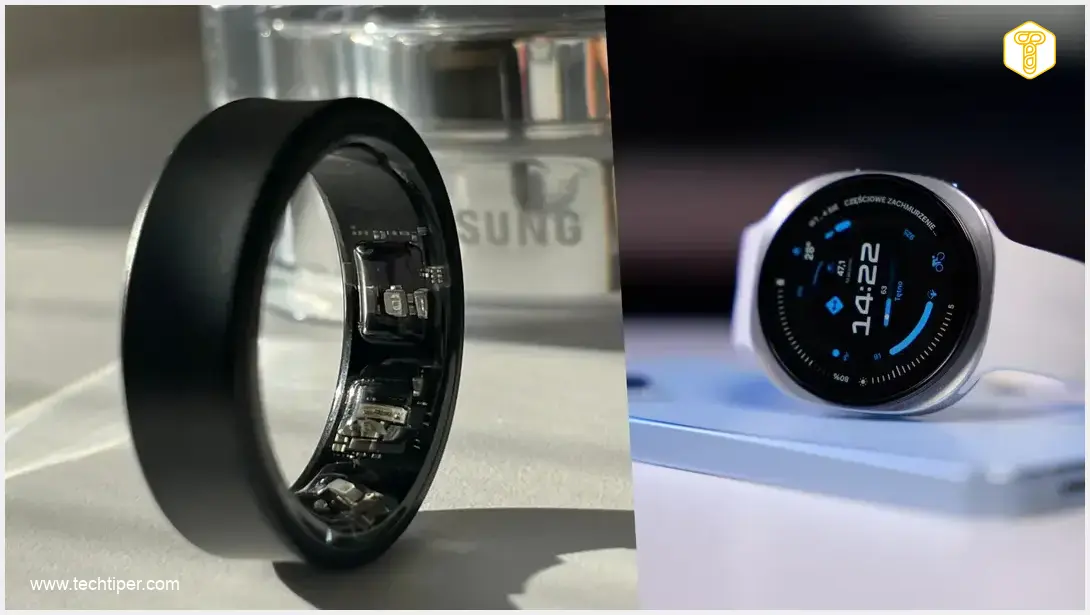
Samsung is set to significantly enhance the health monitoring capabilities of its wearable devices, the Galaxy Ring and Galaxy Watch, with an improved sleep apnea detection feature. This groundbreaking update, which has received crucial regulatory approvals, is expected to roll out broadly, offering users a vital tool for early health intervention.
Regulatory Approvals Pave the Way for Enhanced Health Monitoring
The development marks a significant milestone for Samsung’s commitment to health technology. The advanced sleep apnea detection feature has secured approvals from key regulatory bodies, including the U.S. Food and Drug Administration (FDA) and South Korea’s Ministry of Food and Drug Safety (MFDS). These approvals underscore the feature’s reliability and its potential to contribute meaningfully to public health.
Sleep apnea is a serious sleep disorder where breathing repeatedly stops and starts. If left untreated, it can lead to various health problems, including high blood pressure, heart attack, stroke, and diabetes. Early detection through accessible wearable technology could empower individuals to seek timely medical advice.
How Samsung’s New Sleep Apnea Detection Works
The enhanced mechanism will analyze disturbances during each hour of sleep. Utilizing sophisticated AI algorithms, the system will identify and classify these data points as mild, sporadic, or frequent episodes of sleep apnea. This detailed classification aims to provide users with a clearer understanding of their sleep health patterns.
While some Samsung smartwatches have offered sleep apnea detection since July 2024, the integration into the upcoming Galaxy Ring represents a revolutionary step. The compact form factor of the smart ring promises a more comfortable and continuous monitoring experience, potentially increasing user compliance and data accuracy.
Rollout Plan: What to Expect
The new sleep apnea detection feature is slated for release to owners of the Galaxy Watch Ultra 2, Galaxy Watch9, and the Galaxy Ring as early as November. Initially, the rollout is anticipated in South Korea, with global availability dates to be announced subsequently. Users eager to receive the latest updates for their devices might also be interested in resources like Samsung Galaxy Watch6 Classic February Security Update 2024 to ensure their wearables are always up-to-date.
End of Support for Older Galaxy Watch Models
In related news, some older Samsung smartwatches, including the Galaxy Watch4 from 2021, have recently lost manufacturer support. This means these devices will no longer receive significant software or security updates. The Galaxy Watch4, notably the first Samsung smartwatch to run Wear OS, saw its last major update with One UI Watch 8 in August of this year, and no further security patches are planned for this generation.
Users of these older models should be aware of the implications for security and functionality. For those seeking information on maintaining their devices, an article like Galaxy Watch4 Important Security Update Installation Guide might be helpful, though it’s important to note the cessation of official support for newer features.
Frequently Asked Questions (FAQ)
Sleep apnea is a common but serious sleep disorder characterized by repeated interruptions in breathing during sleep. It can lead to severe health issues like cardiovascular problems, diabetes, and fatigue. Early detection through devices like Samsung’s wearables allows individuals to seek timely medical diagnosis and treatment, significantly improving their health outcomes and quality of life.

The enhanced sleep apnea detection feature is primarily coming to the new Samsung Galaxy Ring, Galaxy Watch Ultra 2, and Galaxy Watch9 models. While some previous Galaxy Watch models already had a basic version of this feature, the upcoming update focuses on the latest generation of devices and the innovative Galaxy Ring.
The initial rollout for the enhanced sleep apnea detection feature is expected in South Korea as early as November. Samsung has not yet announced specific global release dates for other regions. Availability will depend on local regulatory approvals, so users should monitor official Samsung announcements for updates regarding their specific market.
Unfortunately, older Samsung smartwatches, including the Galaxy Watch4 (2021 model), are not expected to receive this enhanced sleep apnea detection feature. These models have largely reached their end-of-life for major software and security updates. The new feature is targeted at the latest generation of Galaxy Watch and the forthcoming Galaxy Ring, ensuring optimal performance and compatibility with cutting-edge hardware.
The enhanced sleep apnea detection feature has received regulatory approvals from the U.S. FDA and South Korea’s MFDS, indicating a level of clinical validation and reliability. While wearables can provide valuable insights and aid in early detection, it’s crucial to remember that they are screening tools. Any concerns identified by the device should always be followed up with a consultation with a qualified healthcare professional for a definitive diagnosis and treatment plan.
Source: Android Authority. Opening photo: Jolanta Szczepaniak / Krzysztof Wilamowski / self-assembly
About Post Author
