

Contents
Tesla Accelerates Cybercab Rollout: Sales to Begin This Year
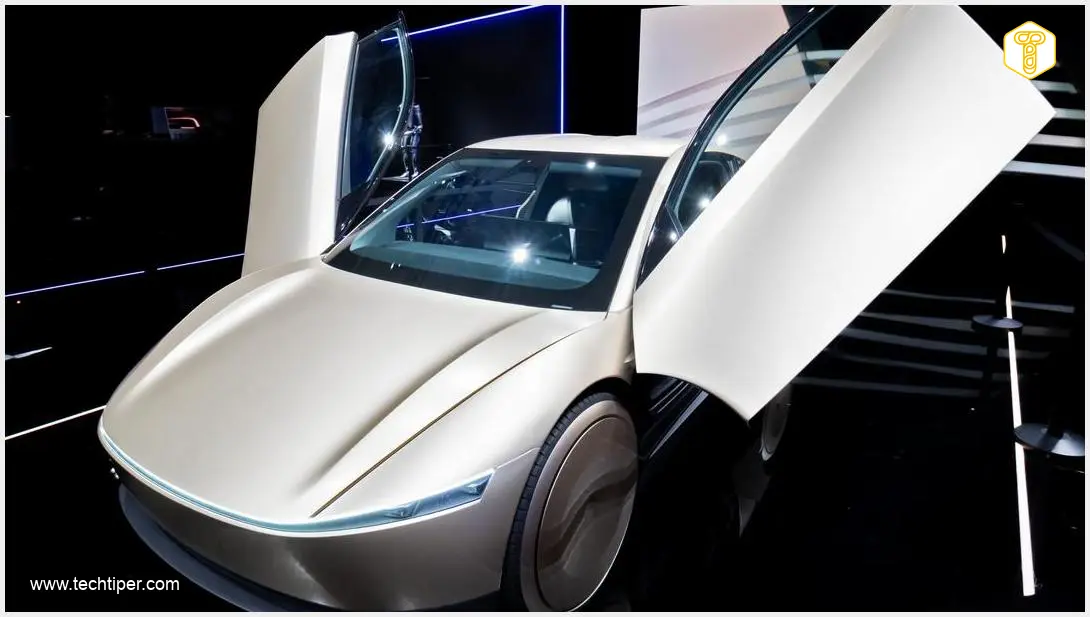
Tesla has announced ambitious plans to commence sales of its innovative Cybercab later this year. This autonomous, two-seater vehicle, notably devoid of a steering wheel and traditional controls, represents a significant leap into the future of urban mobility. Originally showcased as a concept, the Cybercab is now poised to enter the market, initially targeting fleet operators before a wider release.
Tesla’s Cybercab Strategy: A Shift Towards Robotaxi Fleets
Lars Moravy, Tesla’s Vice President of Engineering, shed light on the company’s deployment strategy. Currently, Cybercab units are exclusively integrated into Tesla’s internal robotaxi fleet for testing and operational scaling. As this internal fleet expands and matures, Tesla intends to supply these fully autonomous vehicles to external clients. This rollout will begin on a limited scale within the current year, gradually increasing over time as the company builds expertise in fleet management and service operations.
Moving Beyond Musk’s Original Vision
This approach marks a distinct departure from Tesla CEO Elon Musk’s long-held vision. For years, Musk championed the idea that existing Tesla vehicles, through software updates, would eventually transform into robotaxis. However, this scenario has yet to materialize. Instead, the company is now focusing on a specially designed, distinctive two-seater vehicle—often referred to as “golden”—that lacks conventional driving interfaces. The Cybercab is primarily envisioned as a tool for providing transportation services rather than a personal car for individual ownership. The majority of the fleet is expected to remain under Tesla’s control, operating as a ride-hailing service.
This strategy aligns with the growing global trend toward commercial robotaxi services. For more insights into how autonomous transport is reshaping urban landscapes, you might be interested in our article on The Revolution in Transport: Commercial Robotaxis Arrive in Europe.
Current State of Tesla’s Autonomous Driving Features
For owners of current Tesla models, the most advanced offering remains the Full Self-Driving (FSD) Supervised system. This technology, while highly capable, still necessitates constant driver attention and readiness to intervene. According to Musk, full, unsupervised autonomy—where the vehicle operates entirely independently without human oversight—is anticipated to arrive in the second quarter of next year. This date, however, represents another postponement in a series of previously announced timelines.
Regulatory Roadblocks and Scrutiny
The introduction of such a revolutionary vehicle has naturally attracted significant regulatory attention. The National Highway Traffic Safety Administration (NHTSA) in the United States has initiated an investigation into the Cybercab. This inquiry focuses on whether the Cybercab, which has already been sighted on the streets of Austin, Texas, has been properly certified given its lack of pedals, mirrors, and other components traditionally mandated by federal safety standards. While manufacturers typically self-certify compliance—a step Tesla has taken—the current regulatory framework is not fully equipped for vehicles designed exclusively for autonomous operation.
The Department of Transportation has proposed amendments to regulations that would waive certain requirements for such designs, but for now, the status quo prevails. The outcome of the NHTSA’s investigation could critically determine whether the Cybercab—and similar vehicles from other companies—can legally operate on American roads. The challenges faced in the US are mirrored in other regions as well; explore how European cities are handling this new wave of innovation in Europe’s First Commercial Robotaxi Service: Zagreb, Uber, Verne, Pony.ai.
What This Means for Tesla’s Future
Despite the regulatory hurdles, Tesla remains steadfast in its plan to launch Cybercab sales within this year. If these timelines hold, external fleet operators might gain access to fully autonomous vehicles sooner than private Tesla owners receive full self-driving capabilities in their existing cars. This strategic prioritization underscores Tesla’s commitment to a robotaxi-centric future, shifting focus from individual ownership to scalable transportation services.
Frequently Asked Questions (FAQ)
The Tesla Cybercab is an autonomous, two-seater vehicle designed without a steering wheel or traditional controls. It’s primarily intended for use in ride-hailing and robotaxi services rather than personal ownership.

Initially, Elon Musk suggested that existing Tesla vehicles would become robotaxis via software updates. The Cybercab represents a shift to a purpose-built, dedicated autonomous vehicle for robotaxi fleets, signifying a move away from retrofitting consumer cars for this purpose.
The Cybercab faces scrutiny from the National Highway Traffic Safety Administration (NHTSA) regarding its certification, specifically because it lacks traditional components like pedals and mirrors required by current federal safety standards. Existing regulations are not fully adapted for vehicles designed exclusively for autonomous operation.
While Tesla plans to sell Cybercabs, the primary focus is on supplying them to external fleet operators for ride-hailing and robotaxi services. The vehicle is designed as a tool for transportation services, and Tesla expects to retain ownership of most of its fleet, implying it’s not intended for widespread personal ownership in the same way traditional cars are.
Source: TechCrunch
Opening photo: VanderWolf Images / Adobe Stock
About Post Author
