

Contents
New iPad mini to Surprise with its Screen, but There’s a Catch
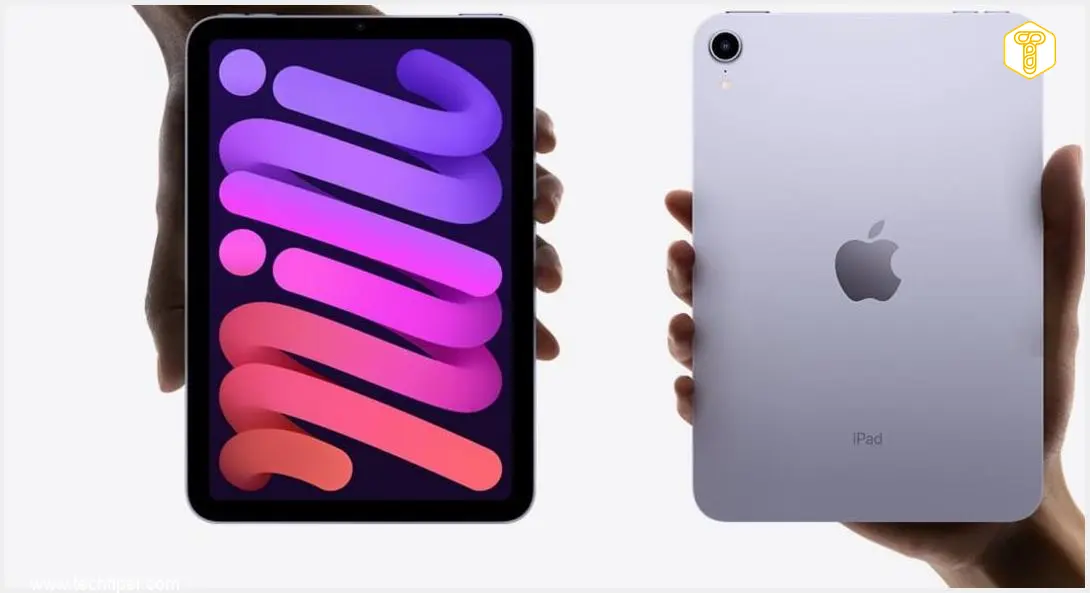
Exciting whispers are circulating that a new iPad mini is on the horizon, potentially debuting as early as October 2026. This upcoming model is rumored to bring several enhancements over its predecessor, with one of the most anticipated being an OLED display. However, this upgrade might not be as perfect as many hope, primarily due to concerns about the refresh rate.
The Latest Buzz Around the iPad mini
As the potential late 2026 launch of the next-generation iPad mini approaches, a surge of rumors regarding its technical specifications has emerged online. A significant piece of speculation centers on the integration of an OLED display.
While the prospect of an OLED screen might initially sound like a fantastic upgrade, not everything is as rosy as it appears. According to tech leaker “yeux1122,” the new display might not support Apple’s ProMotion technology (120Hz variable refresh rate). Instead, it could be limited to a standard 60Hz refresh rate. This would be a notable point of contention for users expecting a premium visual experience, especially given the increasingly common higher refresh rates in modern devices.
It’s worth noting that “yeux1122” has, on occasion, cited unverified sources in the past. However, this time, they seem more confident in their information, reportedly based on national production volumes. This suggests the information might hold more weight.
Beyond the Screen: Other Anticipated Features
Despite the potential disappointment regarding the screen’s refresh rate, the new iPad mini is expected to offer several other compelling improvements. Among the rumored upgrades are:
- An advanced Apple A20 Pro processor, promising significant performance boosts.
- A redesigned aesthetic featuring notably slimmer bezels, offering a more immersive viewing experience.
- The relocation of the FaceTime camera to the landscape (top) bezel, enhancing usability for video calls, particularly when the device is used with a keyboard.
More detailed information about these features is anticipated in the coming weeks and months. For those interested in Apple’s broader product strategy, understanding recent device changes can be insightful, such as why Apple discontinues 15 devices: What to do?
Recent Apple Price Adjustments
Towards the end of June, Apple implemented significant price increases for several of its products, including MacBooks and iPads – marking one of the largest adjustments in years. The Cupertino tech giant attributed these changes, unsurprisingly, to the rising costs of components used in their devices. For instance, a notable price difference was observed with the MacBook Neo (hypothetical example), which saw its price increase from approximately $599 to $699.
This situation is largely a consequence of the surging demand for data centers and AI servers, which has dramatically shifted global production priorities and component costs. Interestingly, Apple asserts that it had maintained unfavorable pricing levels for an extended period, implementing these increases only as a last resort. This context is important for understanding the broader economics behind tech products, including recent innovations like the iPhone 18 Pro smaller Dynamic Island leak revealed.
Frequently Asked Questions (FAQ)
Current rumors suggest the next-generation iPad mini could debut around October 2026. However, specific release dates from Apple have not been confirmed.

While an OLED screen is rumored, reports indicate that it might not support Apple’s ProMotion technology, meaning it could be limited to a 60Hz refresh rate instead of the smoother 120Hz found on other Pro models.
Apple attributes recent price hikes to the increasing cost of components, driven by factors such as high global demand for data centers and AI servers, which has impacted the supply chain and manufacturing expenses.
Source: 9to5mac. Opening photo: Apple / press materials
About Post Author
