

Contents
Samsung Galaxy S27 Ultra: A Design Revolution to Enhance User Experience
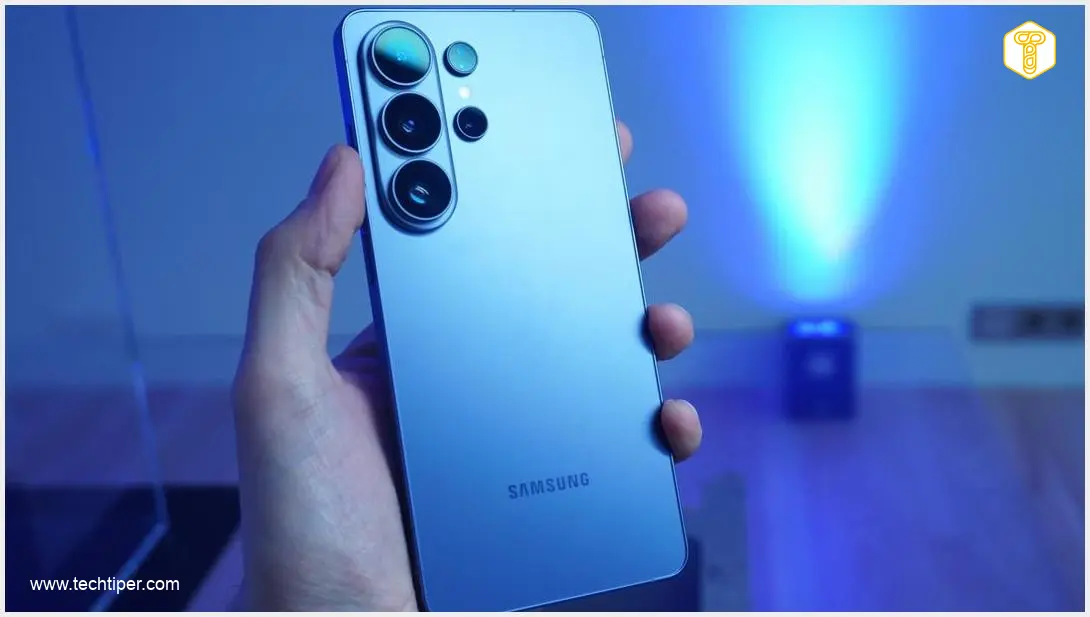
The upcoming Samsung Galaxy S27 Ultra is generating considerable discussion, not just for its anticipated technological advancements but for a seemingly subtle yet profoundly impactful design change. Reports and leaked renders suggest a significant overhaul of its rear panel, which, while sparking varied aesthetic reactions, promises to resolve a common frustration among smartphone users: the incessant wobbling of devices on flat surfaces due to prominent camera modules.
A Redesigned Rear Panel: Addressing the Wobble Effect
In late September 2026, concept graphics began circulating, showcasing a redesigned rear panel for the Galaxy S27 Ultra. This new aesthetic has drawn comparisons to Apple’s iPhone 17 Pro and 18 Pro, particularly regarding the size and arrangement of its camera island. However, beyond visual appeal, this new design, featuring a more pronounced horizontal camera module, offers a crucial functional benefit.
According to insights from publications like Sammobile, this transverse module is engineered to provide stable support for the entire upper section of the phone’s casing. This structural enhancement is poised to either completely eradicate or drastically minimize the irritating “wobble effect”—where a smartphone teeters unevenly when placed on a desk or table, making it challenging to interact with the screen without it rocking back and forth.
The Genesis of the Wobble Problem
The issue of protruding and asymmetrical camera arrays causing device instability gained significant traction with the Samsung Galaxy S20 Ultra. Launched in 2020, this flagship device was among the first where the camera island’s design began to pose practical challenges for users. As camera technology advanced and modules grew larger and more complex, the problem intensified with subsequent models.
For years, users have endured this minor yet persistent annoyance. The Galaxy S27 Ultra’s potential return to a more balanced design could restore the comfort of using the device while it rests on a flat surface, a feature often taken for granted in earlier smartphone generations.
What This Means for Everyday Use
Imagine typing a message, browsing content, or watching videos without your phone rocking precariously. This ergonomic improvement is not just about aesthetics; it profoundly enhances the daily user experience. For professionals who frequently use their phones on desks or for anyone who enjoys media consumption or gaming, a stable device translates to greater convenience and less frustration.
Beyond hardware innovations, users also anticipate advancements in software, with discussions around potential future OS updates and features that could further enhance the Galaxy S27 Ultra’s functionality. While previous iterations, like the Galaxy S26 Ultra, faced certain display challenges, the S27 Ultra’s focus on foundational ergonomic improvements demonstrates Samsung’s commitment to user satisfaction.
Anticipating the Galaxy S27 Series Launch
Traditionally, Samsung unveils its flagship Galaxy S series at the annual Galaxy Unpacked event, typically held in early 2027. As with all pre-release information, early reports and renders should be viewed with a degree of caution, as the final market-ready product may feature further refinements, including proportional adjustments to the design.
However, if this structural improvement indeed makes it into mass production, the enhanced usability of the phone on flat surfaces is likely to be a highly persuasive factor, quickly winning over users to the new design philosophy.

Frequently Asked Questions (FAQ)
The Galaxy S27 Ultra is anticipated to feature a redesigned rear panel with a new, more stable horizontal camera module. This design aims to prevent the phone from wobbling when placed on flat surfaces.
The issue of devices wobbling due to protruding, asymmetrical camera bumps became a noticeable problem starting with the Samsung Galaxy S20 Ultra, released in 2020.
The Samsung Galaxy S27 series is traditionally expected to be unveiled at the Galaxy Unpacked event in early 2027.
Source: Sammobile, Original Research. Opening photo: Krzysztof Rojek
About Post Author
