

Google Maps users worldwide have reported the sudden disappearance of real-time traffic line visualizations across all platforms. Despite traffic data still influencing route calculations, the lack of visual cues has raised concerns about navigation efficiency and Google’s response to this apparent global glitch.
Author: Sachin Mahto
Sachin is an editor for Techtiper, focusing on software, apps, and services. He writes on virtual private networks, privacy tools, cybersecurity issues, and ethics in tech. Sachin also covers news about Tech Industry. On a separate note, he plays a ton of online chess and is a fan of overly complicated sci-fi movies.

Varta Filed Four Bankruptcy Petitions. Apple Is Partially to Blame.
Varta, a leading European battery manufacturer, has filed for insolvency after key shareholders refused further funding. Creditors are now preparing to divide its assets, highlighting the brutal realities of global supply chains and the impact of losing major clients like Apple.

Facebook Scans Your Face: Get a Free Verification Badge
Meta introduces Facebook Verified, a free badge for individual users to confirm their identity through a selfie video, combating the rise of AI-generated fake profiles and enhancing trust across the platform.

Android Auto Gets Another Convenience. Our Voice Will Have Greater Significance.
Android Auto users can now enjoy enhanced WhatsApp integration, allowing for a safer, more intuitive experience through comprehensive voice commands. This update, long-awaited, enables drivers to manage messages and calls without distractions.

Spotify Launches New Feature: Aiming to Compete with a Giant Rival
Spotify has introduced Music Video Charts Global, its first dedicated ranking for music videos, marking a strategic expansion into visual content and enhancing music discovery for users worldwide.

France Implements Social Media Ban for Children: Europe’s First Such Law
On July 21, 2026, France made history by banning social media for children under 15 and prohibiting smartphone use in schools, a landmark move to protect youth. This initiative, championed by President Emmanuel Macron, reflects growing concerns over the impact of digital platforms on minors, echoing similar debates across Europe.
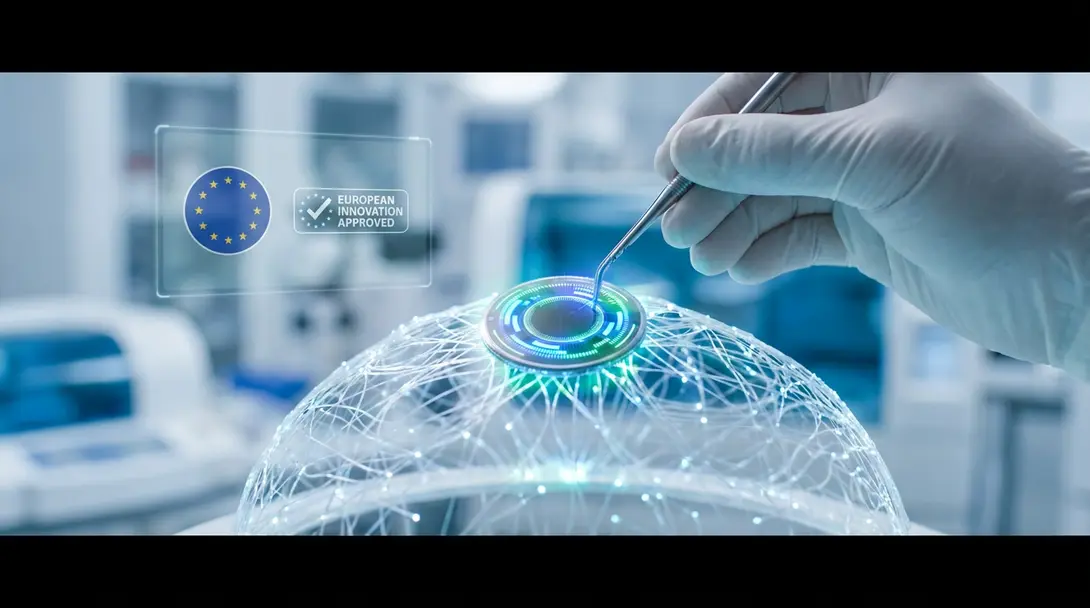
PRIMA Implant: EU Approves Breakthrough Vision Restoration Technology
The American startup Science Corporation’s cutting-edge PRIMA implant, designed to restore vision for individuals with certain eye conditions, has received regulatory approval for sale within the European Union. This breakthrough device, though expected to be costly, marks a significant step forward in treating vision loss.
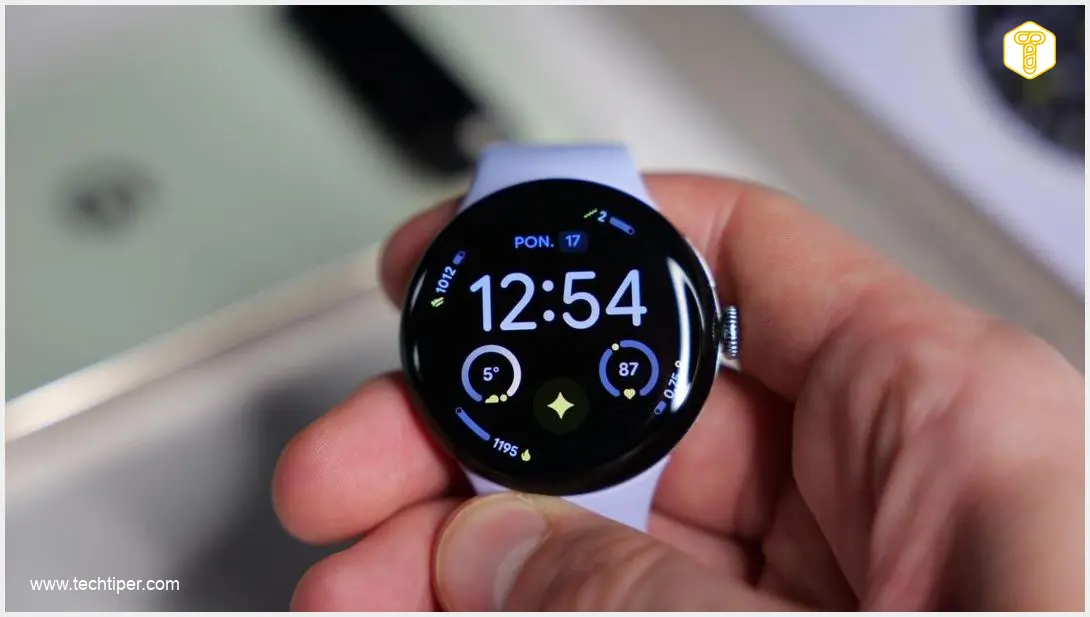
Pixel Watch 5 in New Leaks: One Key Change Revealed
The Google Pixel Watch 5 is generating significant buzz with new leaks revealing a crucial RAM upgrade from 2GB to 3GB, setting it apart from competitors. Expected to launch in August with the Snapdragon W5 processor, the device will offer multiple color options and connectivity variants, with provisional pricing now available.
Will Meta Avoid Trouble? High-Profile Lawsuit Withdrawn
A significant lawsuit against Meta, filed by a minor alleging social media addiction and negative health impacts, has been unexpectedly withdrawn. This article explores the details of the case, the reasons for its withdrawal, and Meta’s ongoing legal challenges regarding its platforms’ addictive features and impact on user well-being.

BLIK to Cut Off Access to Illegal Gambling: When the Blockade Takes Effect
BLIK, a leading mobile payment system, is set to implement a system-wide block on transactions to websites identified as illegal online gambling platforms. This significant move, effective September 1st, aims to combat the shadow economy in the gambling sector, aligning with governmental efforts to enforce legal gaming.

Google Confirms: 5-Year-Old Pixel Goes into Retirement
Google has confirmed that some of its older Pixel smartphones, including the Pixel 6 and Pixel 6 Pro, will no longer receive Android system updates. While these devices have reached their planned “end-of-life” for major OS updates, they will still receive a final security patch and continue to function with Google services for years to come. This news, coinciding with the Android 17 QPR2 Beta release, sparks discussion among users, especially considering the extended support for the Pixel 6a.
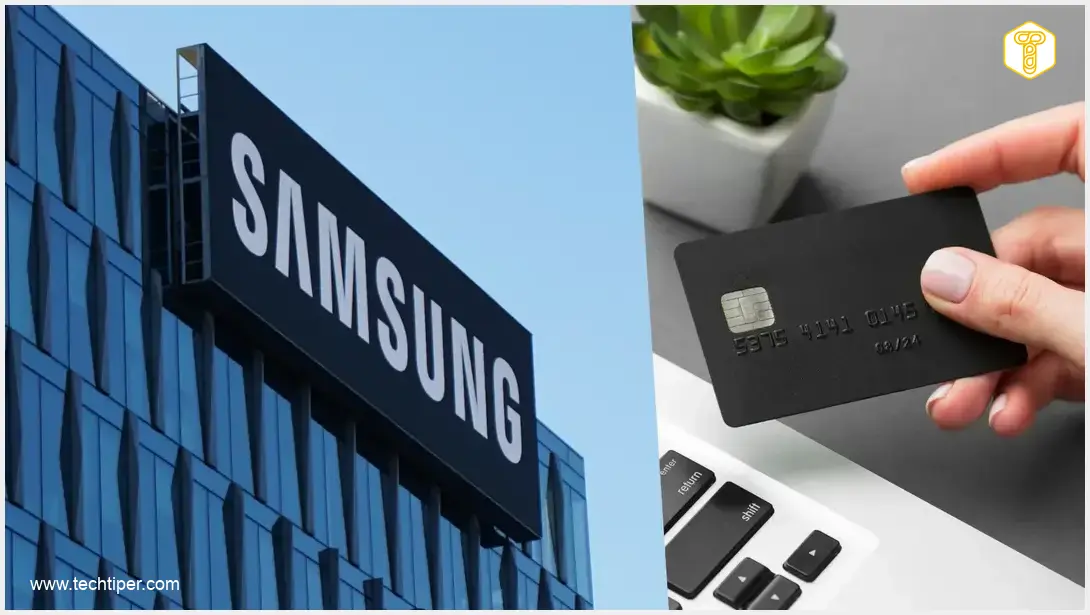
Samsung Launches Its Own Credit Card: Seven Years After Apple, But With Added Bonuses
Samsung has officially entered the credit card market with the debut of the Samsung Galaxy Card in the U.S. Developed in partnership with Barclays, this new offering aims to compete with the long-standing Apple Card, featuring an attractive cashback program across various spending categories.

European Union Sanctions AliExpress: E-commerce Giant Faces Fines Over Counterfeits
The European Union has imposed a substantial fine of 550 million Euros on the popular Chinese e-commerce platform AliExpress for distributing counterfeit, illegal, and unsafe products. The decision, based on the Digital Services Act (DSA), has been met with strong disagreement from AliExpress, which labels the penalty “disproportionate” and plans to appeal. This action coincides with new EU customs duties affecting imports from non-EU platforms, signaling a stricter regulatory environment for online marketplaces.
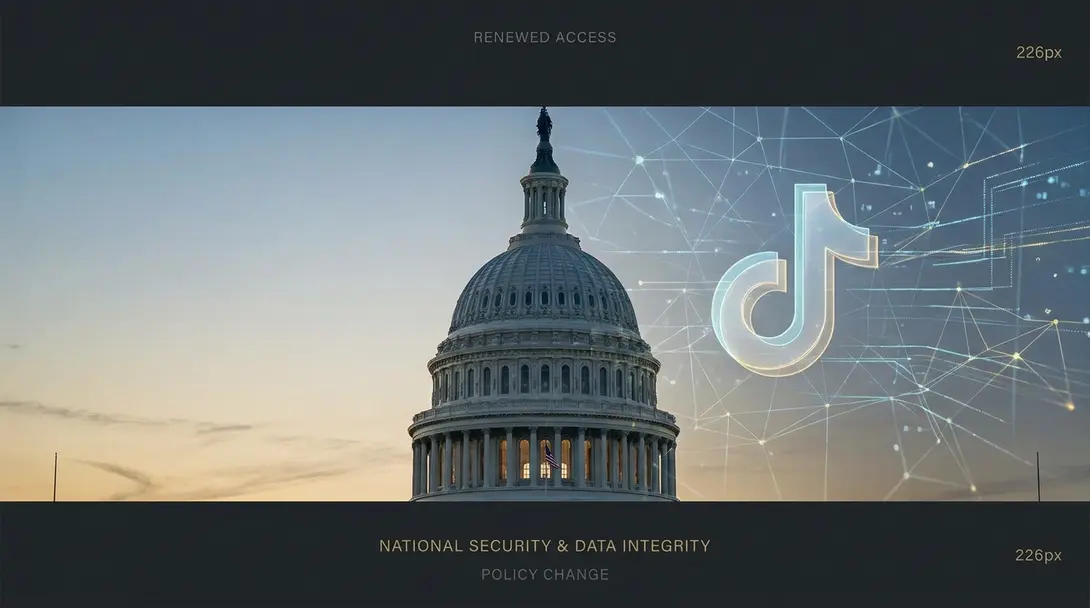
TikTok Free from Restrictions: USA Makes Key Decision
The United States government has lifted its four-year ban on TikTok for official government devices, marking a significant policy shift. This decision follows a pivotal agreement to separate TikTok’s American operations, aiming to address long-standing security concerns.
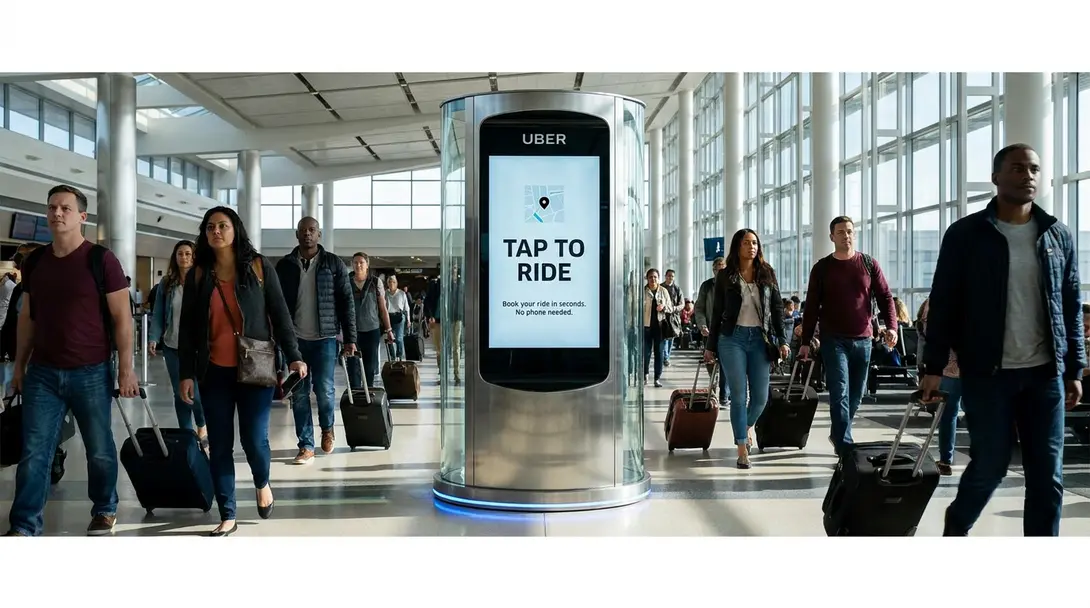
Order an Uber without an app. This hasn’t been available here before.
Uber is rolling out an innovative “Tap to Ride” kiosk service at major international airports, allowing travelers to book and pay for rides directly via a touchscreen, without needing a smartphone app or internet connection. This service, initially launched in select global locations and now expanding to a prominent European airport, aims to simplify travel for tourists and enhance accessibility for all users.

Planning a Vacation Has Never Been Easier. Allegro Makes It Even Simpler.
Discover how Allegro Vacations is transforming holiday planning with new early booking options, flexible payment solutions, and an ever-growing selection of destinations, making your dream getaway more accessible than ever.

Do We Really Have a Sixth Sense? How Interoception Controls Our Well-being
Interoception, often called the “sixth sense,” is the brain’s ability to interpret internal bodily signals like heart rate, breathing, hunger, and temperature, linking them to our emotions and sense of safety or threat. Emerging research suggests that our capacity to understand these signals is crucial for mental health, impacting everything from emotional regulation to the risk of developing psychological disorders.

China Accelerates Quantum Race: New Design Could Simplify Quantum Computer Deployment
A new quantum computer, the Qinghe No. 1, presented at WAIC 2026, promises a revolution in quantum computing by eliminating the need for bulky cryogenic infrastructure. Utilizing neutral atom technology, this innovation could allow quantum machines to fit into standard server racks, marking a significant departure from traditional superconducting designs. While technical details are pending, this development highlights a global shift towards more accessible quantum solutions and intense research interest from major tech players like Google and other startups.

How Much Do YouTubers Really Earn? New Data Shatters the Image of Online Success
While YouTube’s economic impact is projected to reach billions and support hundreds of thousands of jobs, the reality for most creators is modest, with over half earning less than $15,000 annually. Discover the disparity between platform growth and individual creator earnings.
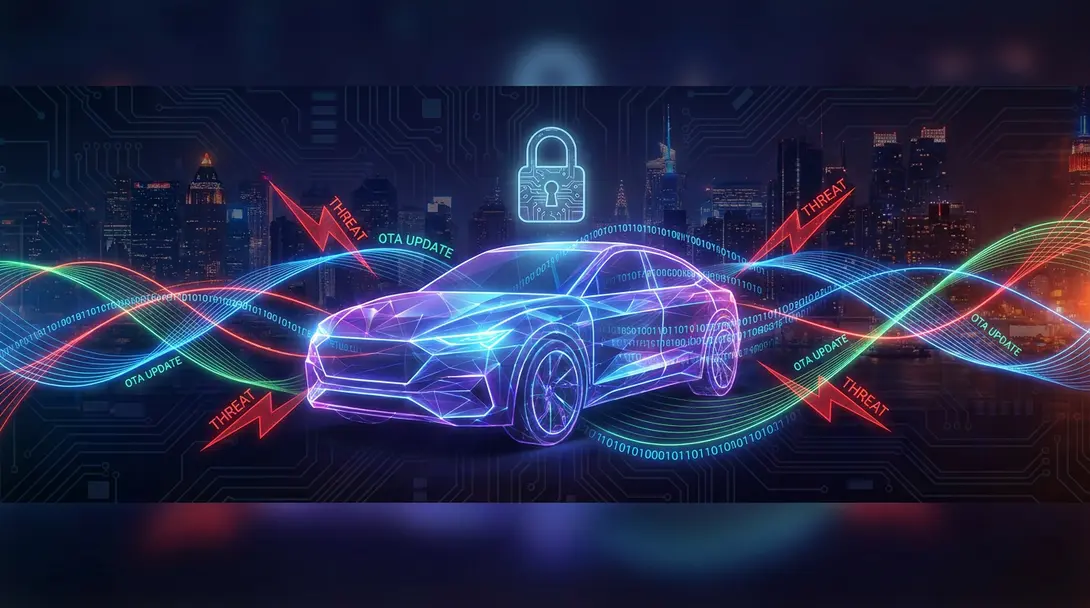
Cars Updated Over the Internet Can Become Targets of Cyberattacks
Over-the-air (OTA) software updates offer convenience for vehicle manufacturers but introduce significant cybersecurity risks, extending from private cars to national transportation infrastructure and raising concerns about hostile state interference.
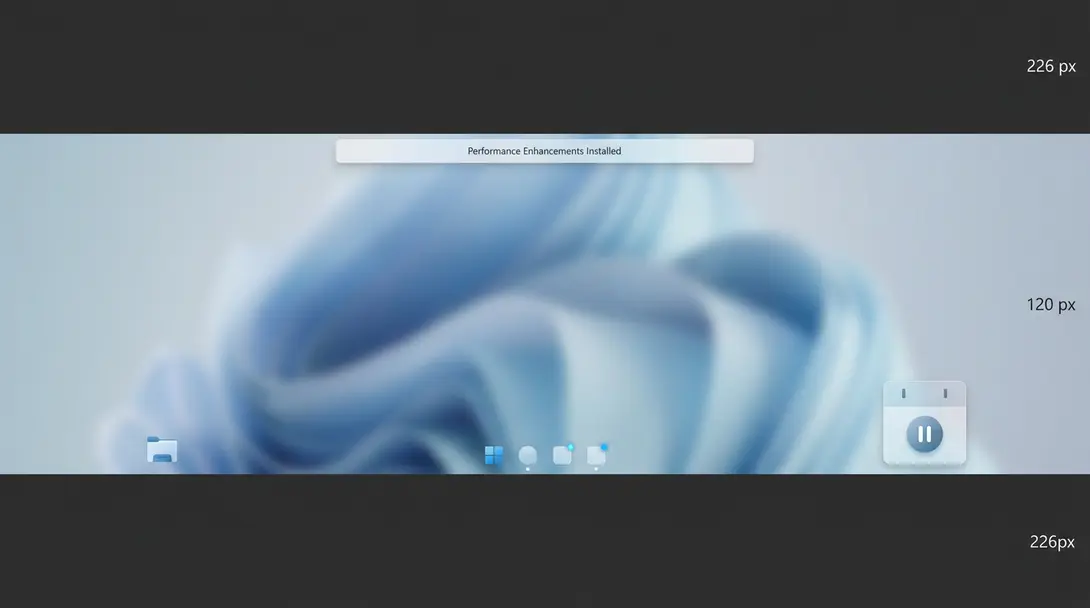
July Windows 11 Update Arrived on My Computer: A Positive Surprise
The July Windows 11 update landed on my computer without much fanfare, yet it brought a suite of changes that momentarily made me feel like the old days when new system builds genuinely surprised you. These aren’t grand revolutions, but rather subtle refinements that make a tangible difference in daily use – sometimes more significant than a dry list of changes might suggest. This time, Microsoft focused on practical improvements that quietly enhance the user experience without being overtly flashy.

Breakthrough in Space Research: Atmosphere Detected Around Rocky Exoplanet for the First Time
Astronomers have made a monumental discovery, confirming the presence of an atmosphere around LHS 1140 b, a rocky exoplanet located within its star’s habitable zone. This marks a pivotal moment in the search for life beyond our solar system, providing invaluable insights into potentially life-sustaining worlds.

Apple Raises Prices for Apple Music and Apple One. Reason: Rising Licensing Costs
Apple has announced price increases for its popular Apple Music streaming service and select Apple One subscription bundles, citing escalating music licensing costs as the primary reason.