

Contents
Samsung Galaxy A38: A Mid-Range Game Changer with a Massive 6000 mAh Battery?
For years, Samsung’s popular Galaxy A3x series of mid-range smartphones has consistently featured a 5000 mAh battery. This standard, introduced with the Galaxy A31 in 2020, has remained unchanged across subsequent generations. However, recent leaks suggest that Samsung is finally ready to break this six-year tradition with the upcoming Galaxy A38, potentially equipping it with a significantly larger 6000 mAh battery.
A Boost in Battery Capacity: Ending the 5000 mAh Era?
Reports indicate that the Samsung Galaxy A38 could feature a battery with a nominal capacity of 5882 mAh, which would likely be marketed as a typical 6000 mAh capacity. This represents a substantial 20% increase compared to its predecessor, the Galaxy A37, and a welcome upgrade for users prioritizing endurance.
A larger battery capacity directly translates to longer usage times, a crucial factor for many smartphone users. While the 6000 mAh figure is exciting, the actual real-world battery life will also depend on several other factors:
- Processor Efficiency: The power consumption of the new chipset.
- Display Technology: The energy demands of the screen.
- Software Optimization: How well Samsung’s operating system manages power.
This potential upgrade marks a significant shift in Samsung’s strategy for its mid-range lineup, offering a compelling reason for consumers to consider the Galaxy A38. For more details on previous models and leaks, you might find information on the Samsung Galaxy A37 and A57 launch details relevant.
Beyond Battery: What Else Do We Know About the Galaxy A38?
While the battery upgrade is a major highlight, other aspects of the Galaxy A38’s specifications are also coming to light through various leaks.
Charging Speed Remains Consistent
Despite the anticipated increase in battery capacity, Samsung is reportedly not planning to boost the charging speed. The Galaxy A38 is expected to maintain a maximum wired charging power of 45W, mirroring its predecessor. This 45W limit is also anticipated for the slightly more premium Galaxy A58.
Camera Configuration: Familiar Territory
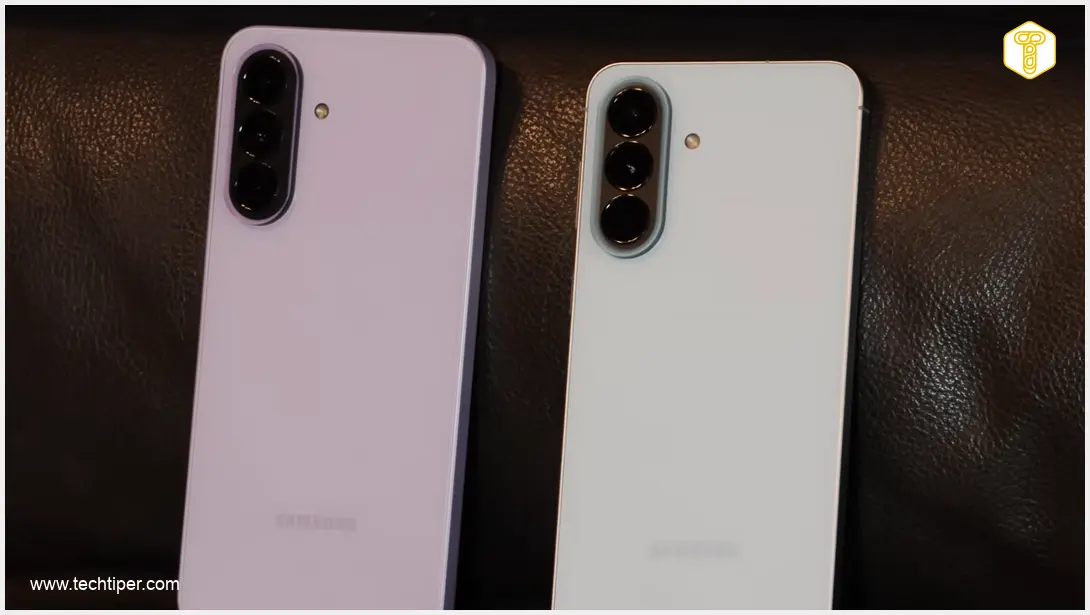
Photography enthusiasts might find the camera setup largely familiar. Early reports suggest that the Galaxy A38 will retain the camera configuration seen in the Galaxy A37, including a capable 50-megapixel main sensor. While specific details about other lenses (ultrawide, macro, depth) are not yet fully disclosed, a consistent main sensor indicates a focus on refining existing imaging capabilities rather than introducing radical changes. For comparison with earlier models, explore leaked renders of the Galaxy A37 and A57.
Processor and Other Specifications
Information regarding the processor and other core specifications of the Galaxy A38 remains scarce. Samsung typically optimizes its mid-range chipsets for a balance of performance and power efficiency, so further details on this front are eagerly awaited.
Anticipated Launch and Market Availability
The new smartphones in the Galaxy A series, including the Galaxy A38, are expected to be unveiled in the first half of 2027. Samsung has yet to officially confirm any specifications or the precise launch date. As with all pre-release information, these details are based on leaks and rumors and should be treated as speculative until an official announcement is made.

Frequently Asked Questions (FAQ)
According to recent leaks, the Samsung Galaxy A38 is expected to feature a 6000 mAh battery, a significant increase from the 5000 mAh batteries found in previous Galaxy A3x series models.
Despite the larger battery, current leaks suggest that the Galaxy A38 will likely retain the same 45W wired charging speed as its predecessor, the Galaxy A37, and the anticipated Galaxy A58.
The Galaxy A38, along with other new models in the Galaxy A series, is rumored to be launched in the first half of 2027. However, Samsung has not yet made an official announcement regarding the release date or specifications.
Source: GalaxyClub, SamMobile
Opening photo: Michal Kosmala
About Post Author
