

Contents
Exciting Price Drop for Dell’s Googlebook Ahead of Launch
The highly anticipated Googlebook series is set to launch in just over two weeks, bringing a new wave of laptops to the market. These innovative devices will be produced by several prominent brands, with Dell prominently featured among them. While there has been considerable buzz and speculation surrounding the initial pricing, consumers are in for a pleasant surprise: the final retail price will be significantly lower than earlier projections, representing substantial savings.
Significant Savings on the Dell Googlebook
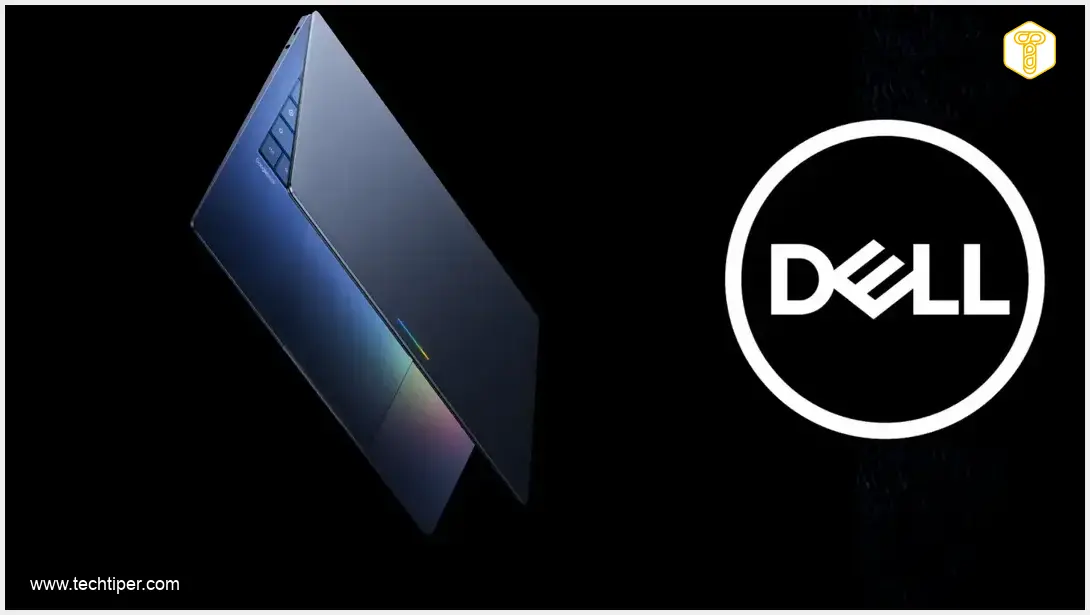
Among the new Googlebook lineup, the Dell XPS Googlebook has garnered particular attention. Initial estimates placed its price at approximately €1199. However, Google is now offering a welcome price adjustment, bringing the cost down to an attractive €999. This means prospective buyers will save a considerable €200 on the base model.
This entry-level configuration features a powerful Snapdragon X Elite processor, 16 GB of RAM, and a spacious 512 GB of internal storage. For those seeking even greater performance and capacity, a premium model will also be available, offering 32 GB of RAM and 1 TB of storage, priced at €1799.
These powerful configurations, especially with the Snapdragon X Elite, position Googlebooks as strong contenders in the emerging AI PC market. For more insights into high-performance computing, you might be interested in our coverage of Asus Zenbook A14 & A16 AI Laptops and NVIDIA Studio Laptops for Creative Workflows.
Global Rollout and Availability
The Googlebook series has already made its official debut in several key international markets, including the United States, the United Kingdom, and Germany. While this indicates a broad global release, specific availability and launch timelines for other regions may vary and will be announced closer to their respective release dates.
Introducing Googlebook OS: A New Era for Google Laptops
Coinciding with the launch of these new laptops is the debut of a brand-new operating system: Googlebook OS. This innovative platform is designed to replace the familiar ChromeOS and promises to merge the best features of Android with robust desktop computing solutions, offering users a seamless and powerful experience.
What This Means for Existing Chromebook Users
For current Chromebook owners, there’s no need for concern. Google has explicitly stated that it has no plans to discontinue support for existing Chromebook devices. These laptops will continue to receive updates in line with the company’s established policy. Furthermore, there’s positive news for some models, as they are expected to receive an upgrade to the new Googlebook OS over time, ensuring their continued relevance and enhanced functionality.
Frequently Asked Questions (FAQ)
Googlebook OS is an entirely new operating system designed to succeed ChromeOS. It aims to blend the strengths of Android (like app ecosystem and user interface fluidity) with advanced desktop computing capabilities, offering a more versatile and powerful experience than its predecessor, which was primarily web-centric.
No, Google has confirmed that existing Chromebooks will continue to receive updates according to their established support policies. Additionally, some specific Chromebook models are anticipated to receive an upgrade to the new Googlebook OS in the future, extending their lifespan and functionality.

The Dell Googlebook featuring the Snapdragon X Elite chip is significant because it brings a new generation of ARM-based processors, optimized for AI workloads and energy efficiency, to the Google ecosystem. This combination promises superior performance, longer battery life, and enhanced AI capabilities, making it a strong contender in the emerging AI PC market.
The base Dell Googlebook model, equipped with a Snapdragon X Elite processor, 16 GB RAM, and 512 GB storage, is now priced at €999, down from an initial estimate of €1199. A more powerful configuration with 32 GB RAM and 1 TB storage will be available for €1799, catering to users with higher performance and storage demands.
Source: Android Authority. Opening photo: Google, Dell, press materials.
About Post Author
