

Contents
Unveiling the iPhone Duo: How Apple’s Foldable Could Redefine the Market
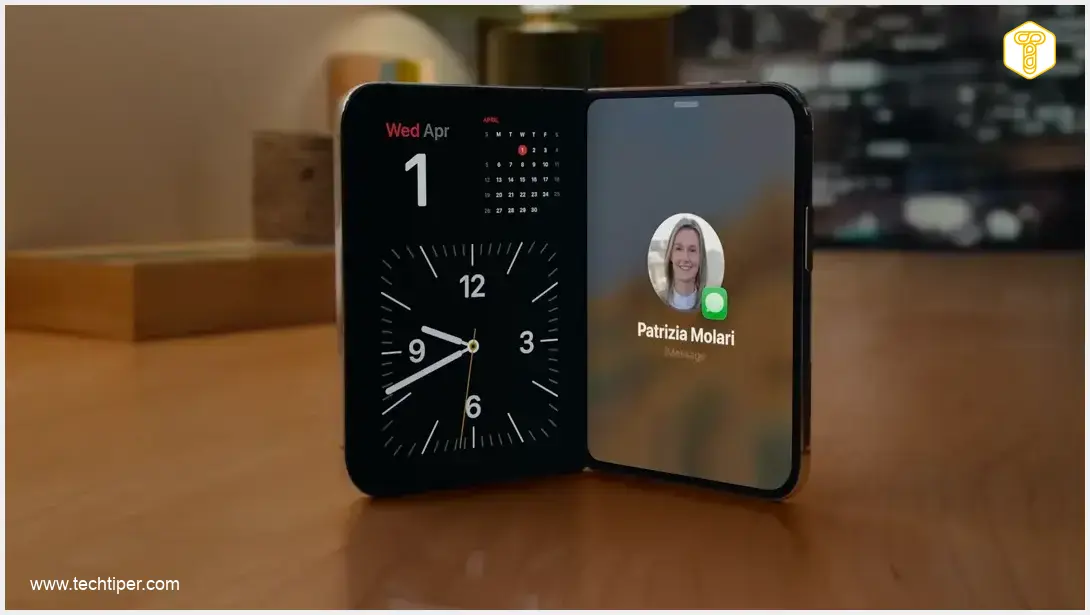
The concept of an iPhone Duo, Apple’s rumored first foldable phone, isn’t revolutionary in terms of core technology—companies like Samsung, Motorola, and Google have been creating such devices for years. What makes it potentially groundbreaking is Apple’s unique approach to the foldable form factor, an area where competitors have faced their share of challenges. As an avid user of the Galaxy Z Fold series, I must admit there are several solutions demonstrated by the conceptual Duo that I would eagerly anticipate in future Galaxy Fold models. Apple seems poised to show that it’s possible to do something similar, but simply better.
Key Features of the iPhone Duo That Could Elevate the Foldable Experience
Here are some of the features glimpsed in the hypothetical iPhone Duo that I believe could significantly enhance the Galaxy Z Fold series:
Seamless Animations and a Truly Foldable-Optimized Operating System
One of the most striking aspects Apple highlighted with the iPhone Duo is a level of software polish that Samsung, despite eight generations of Fold devices, has yet to fully achieve: a system that is not only functional on a foldable screen but is organically designed for it.
In various tech reviews and online discussions, technology influencers frequently praise the smooth animation of transitioning the device from a closed to an open state and vice versa. This often includes a distinctive blurring effect. While seemingly a simple visual cue, it contributes significantly to user satisfaction and the overall premium feel of the device.
This is just one example. The iPhone Duo concept suggests that animations, transitions, application scaling, and app behavior during screen orientation changes are meticulously crafted. This level of detail makes a huge difference, giving the user the impression that the software has been refined to the smallest degree.
In contrast, current Fold models sometimes struggle, with applications occasionally appearing confused about whether they are running on a tablet or a phone. Samsung’s One UI often attempts to compensate with forced scaling, leading to a noticeable lack of fluidity in animations—everything can feel somewhat rigid.
Apple demonstrates that an alternative approach is possible: one that is smoother, more natural, and devoid of jarring transitions. While Samsung excels in multitasking capabilities, it still lacks the cohesion and effortlessness that I observe and commend in the hypothetical iPhone Duo and iOS.
IP68 Water and Dust Resistance: A Standard That Should Be Universal
I have consistently argued that while foldable smartphones are fantastic, they remain too delicate for devices that cost as much as a high-end laptop. The iPhone Duo concept suggests Apple could introduce something that Samsung should have implemented by the Galaxy Z Fold 5: full IP68 water and dust resistance.
I’ve personally experienced issues with the screen on my own Galaxy Z Fold4. For years, I’ve longed for comprehensive dust resistance, which has not yet been fully delivered. While recent Galaxy Z Fold models offer an IPX8 rating (water resistant), they generally lack official dust resistance. This is a significant drawback for a device with a complex folding mechanism and two screens.

This is a moment where, as a Fold user, I feel a pang of envy. If Apple can achieve this with its first-generation foldable, why has Samsung, with years of development experience, not fully perfected it? For a device that I frequently take to environments like the beach, full IP68 protection is essential. Learn more about upcoming foldable specifications.
MagSafe: A Magnetic Ecosystem More Crucial for Foldables Than iPhones
MagSafe on the iPhone Duo isn’t just about charging; it represents an entire ecosystem of accessories that functions reliably and consistently. This brings us to a crucial point.
The Galaxy Z Fold series practically begs for magnetic attachments for power banks, car mounts, stands, mini-lights for video conferences, or even keyboards. Yet, Samsung has not fully embraced a native Qi2 equivalent or a comprehensive MagSafe-like system.
Apple has introduced a simple yet ingenious solution: providing users with the assurance that any magnetic accessory will work seamlessly. In the foldable world, where accessories are often niche, incompatible, or require specific cases, such a feature would be a game-changer. It could fundamentally transform how users interact with the large internal display.
Invisible Under-Display Camera (UDC): Present Without Compromise
Samsung experimented with under-display camera technology in earlier Fold models, but later iterations still featured a noticeable sensor, often citing image quality as a reason for not fully hiding it. The iPhone Duo concept demonstrates that this solution can be revisited and improved upon.
The camera in the Duo concept is invisible, doesn’t detract from the screen’s aesthetics, and leaves no visible “hole” or “dot.” Crucially, it reportedly performs well enough to avoid feeling like a compromise.
There’s a strong argument against having a “physical hole” or cutout in the internal screen of a foldable device. A foldable screen should be free from visual distractions. It’s a workspace for productivity, reading, data analysis, and writing. Any element that disrupts it is like a scratch on a monitor.
Apple seems to have proven that it’s possible to achieve this without forcing users to choose between aesthetics and functionality. Samsung should reconsider this technology—and this time, refine it to the level of the iPhone Duo, perhaps even with an attractive animation for good measure. Explore rumored pricing and Apple’s strategy for foldables.
An Even Better Internal Screen: A Virtually Crease-Free Display
The topic of the screen crease is a recurring discussion with every Galaxy Fold launch. Samsung has made improvements in recent generations, making the crease less prominent visually and less noticeable to the touch. However, the iPhone Duo concept appears to take this a step further, featuring a screen where the crease is virtually imperceptible. While direct comparisons will ultimately reveal the true difference, initial impressions strongly suggest that Apple has achieved a superior result—and remarkably, in what would be its first generation.
As a long-time Fold user, I feel a degree of discomfort here. Samsung has had years to perfect this technology. Moreover, Samsung has been a key supplier of display panels for various devices, including potentially the iPhone Duo itself, which makes the situation even more perplexing. Why has this particular aspect not reached perfection in Samsung’s own flagship foldables?
Frequently Asked Questions (FAQ)
Based on conceptual insights, the iPhone Duo could offer a more seamlessly integrated foldable operating system with smoother animations, a robust IP68 water and dust resistance rating, a comprehensive MagSafe accessory ecosystem, a truly invisible under-display camera, and a display with a virtually imperceptible crease.
MagSafe provides a universal magnetic attachment system for accessories like power banks, stands, and keyboards. For a foldable device with a larger screen and diverse usage modes, a robust and versatile accessory ecosystem becomes even more important for productivity and convenience.
Even if Samsung supplies the display panels, the integration and engineering of the hinge mechanism, the material science of the Ultra Thin Glass (UTG), and the software optimization play a critical role in minimizing the screen crease. Apple’s meticulous approach to industrial design and user experience could allow them to achieve a superior crease-reduction solution through these factors, even with similar core display technology.
Source: Original article analysis & tech industry insights. Opening photo: Apple / press materials
About Post Author
