

Contents
iPhone 18 Pro’s Variable Aperture: A Step Behind in Innovation
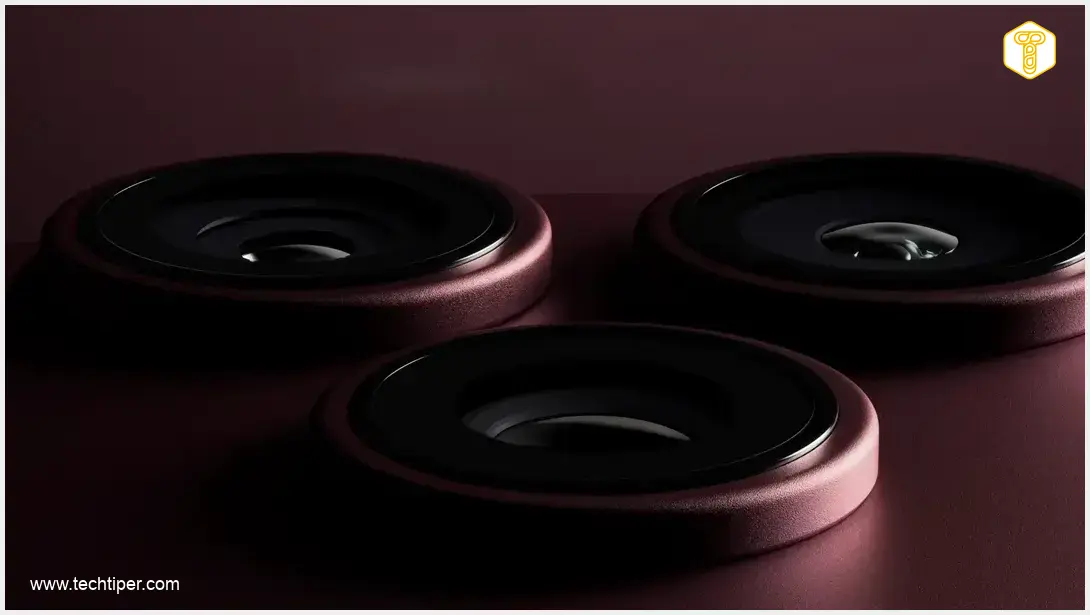
Apple has equipped the camera of its flagship iPhone 18 Pro with a variable aperture, a notable addition to its camera system. While this marks a significant technological step for the Cupertino giant, its introduction comes considerably later than many competitors. Furthermore, the implementation of this mechanical aperture also lags behind solutions seen in smartphones from years past.
The introduction of variable aperture in the iPhone 18 Pro series represents a major innovation within Apple’s ecosystem. Historically, the only moving camera components in iPhones were dedicated to optical image stabilization. This new feature allows for physical adjustment of the lens opening, controlling the amount of light reaching the sensor.
Understanding Variable Aperture in Smartphones
A variable aperture allows a camera to change the size of the opening through which light passes to the sensor. This capability offers photographers and videographers greater control over:
- Exposure: Adjusting the aperture directly controls the brightness of an image.
- Depth of Field: A wider aperture (smaller f-number) creates a shallower depth of field, blurring the background (bokeh effect), while a narrower aperture (larger f-number) keeps more of the scene in focus.
Apple’s Implementation: Four Fixed Stops
The mechanism employed in the iPhone 18 Pro offers only four discrete levels of adjustment: f/1.48, f/1.8, f/2.8, and f/4.0. While providing some flexibility, this is considered a modest offering when compared to pioneer solutions in the market. For instance:
- The Samsung Galaxy S9, released in 2018, featured two aperture stops.
- The HUAWEI Pura 90 boasts ten distinct levels of aperture adjustment.
- Even more impressive is the Xiaomi 14 Ultra from 2024, which provided users with full, stepless control, allowing for precise value selection across 1024 distinct steps. This level of granularity offers unparalleled creative freedom.
- Other competitors like the Honor Magic 7 Pro also offered two stops, placing Apple’s four-stop solution in perspective.
This highlights a key point: while a new feature for Apple, the iPhone 18 Pro’s variable aperture is not groundbreaking in the broader smartphone landscape.
Why Stepless Aperture Control Matters
Smooth, continuous aperture adjustment is crucial for complete control over exposure and natural background blur. It enables precise light management without artificially shortening shutter speeds or excessively boosting ISO sensitivity, both of which can compromise image quality. This is especially vital when recording video in changing lighting conditions, where maintaining a constant shutter angle ensures natural motion blur. For more on cutting-edge smartphone camera tech, read about the Oppo Find X9 Ultra with its built-in teleconverter.
Could Apple Revitalize Variable Aperture Technology?
Despite the iPhone 18 Pro’s variable aperture solution being less capable than older Android flagships, its introduction by Apple might encourage other smartphone manufacturers using Google’s Android system to revisit and refresh this technology.
Currently, most brands have moved away from mechanical variable aperture mechanisms. Instead, they have focused on developing larger camera sensors and advancing computational photography techniques. These approaches use software algorithms to achieve effects like background blur or improved low-light performance, often mimicking what a physical aperture change would do. Huawei remains one of the few entities consistently developing and integrating variable aperture technology into its devices.
Apple’s move could signal a renewed interest in hardware-based optical control, potentially pushing the entire industry to innovate further in this area. Speaking of innovations, rumors suggest changes in upcoming iPhone models; you can read about potential design updates like a smaller Dynamic Island in the iPhone 18 Pro.

Frequently Asked Questions (FAQ)
Variable aperture allows a camera to physically adjust the size of its lens opening, controlling how much light enters the sensor. This is crucial for photographers and videographers as it provides direct control over image exposure (brightness) and depth of field (how much of the scene is in focus versus blurred). It also helps maintain natural motion blur in videos by allowing light adjustments without altering shutter speed.
The iPhone 18 Pro features four fixed aperture stops (f/1.48, f/1.8, f/2.8, f/4.0). While new for Apple, this is less advanced than solutions offered by competitors. For example, the HUAWEI Pura 90 offers ten stops, and the Xiaomi 14 Ultra provides fully stepless adjustment across 1024 steps, offering far greater creative control. Even older phones like the Samsung Galaxy S9 (2018) had two stops.
Many smartphone manufacturers shifted focus from mechanical variable apertures to larger camera sensors and advanced computational photography. Larger sensors inherently gather more light, and computational photography uses software algorithms to achieve effects like background blur or improved low-light performance. These software-driven solutions can often mimic the effects of a variable aperture without the added mechanical complexity and cost.
Source: Tech Home / X. Opening photo: Apple / press materials.
About Post Author
